The Bridge Salesman Who Made Millions from Monuments He Never Owned
The Ultimate Real Estate Hustle
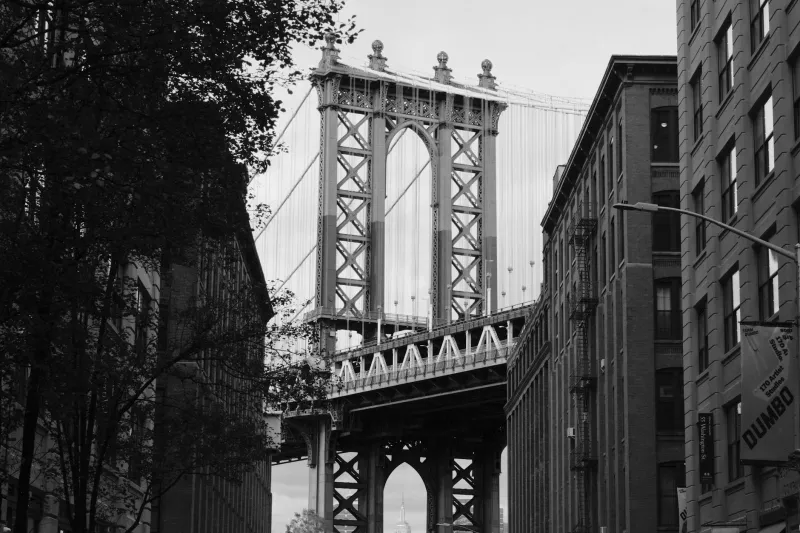
In the annals of American crime, few stories are as audacious as that of George C. Parker, a man who made a fortune selling some of New York City's most famous landmarks to unsuspecting buyers. Between 1883 and 1928, Parker successfully "sold" the Brooklyn Bridge at least twice a week, along with Madison Square Garden, the Statue of Liberty, and Grant's Tomb. What makes his story truly remarkable isn't just the scale of his deception, but the fact that he kept getting away with it.
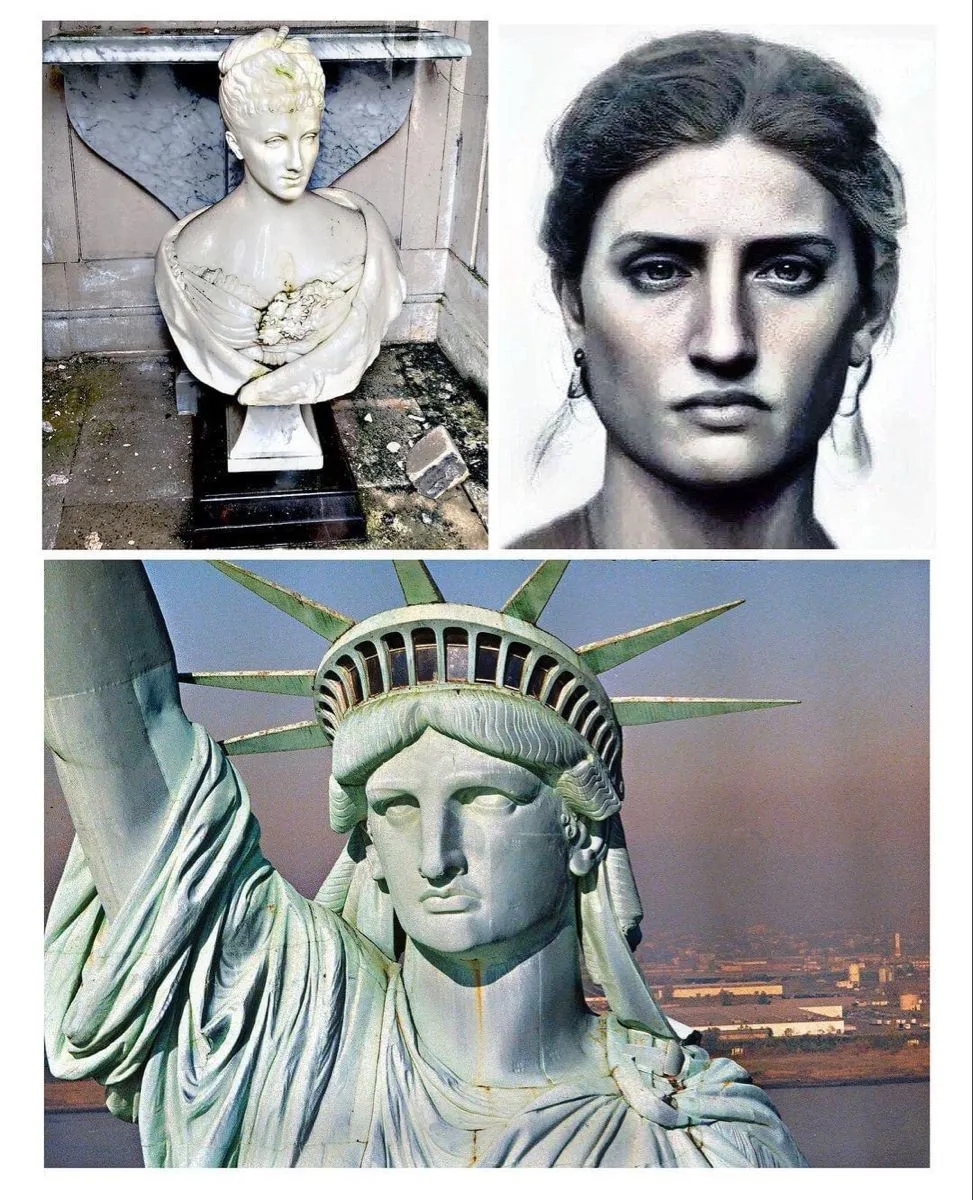 Photo: Statue of Liberty, via i.pinimg.com
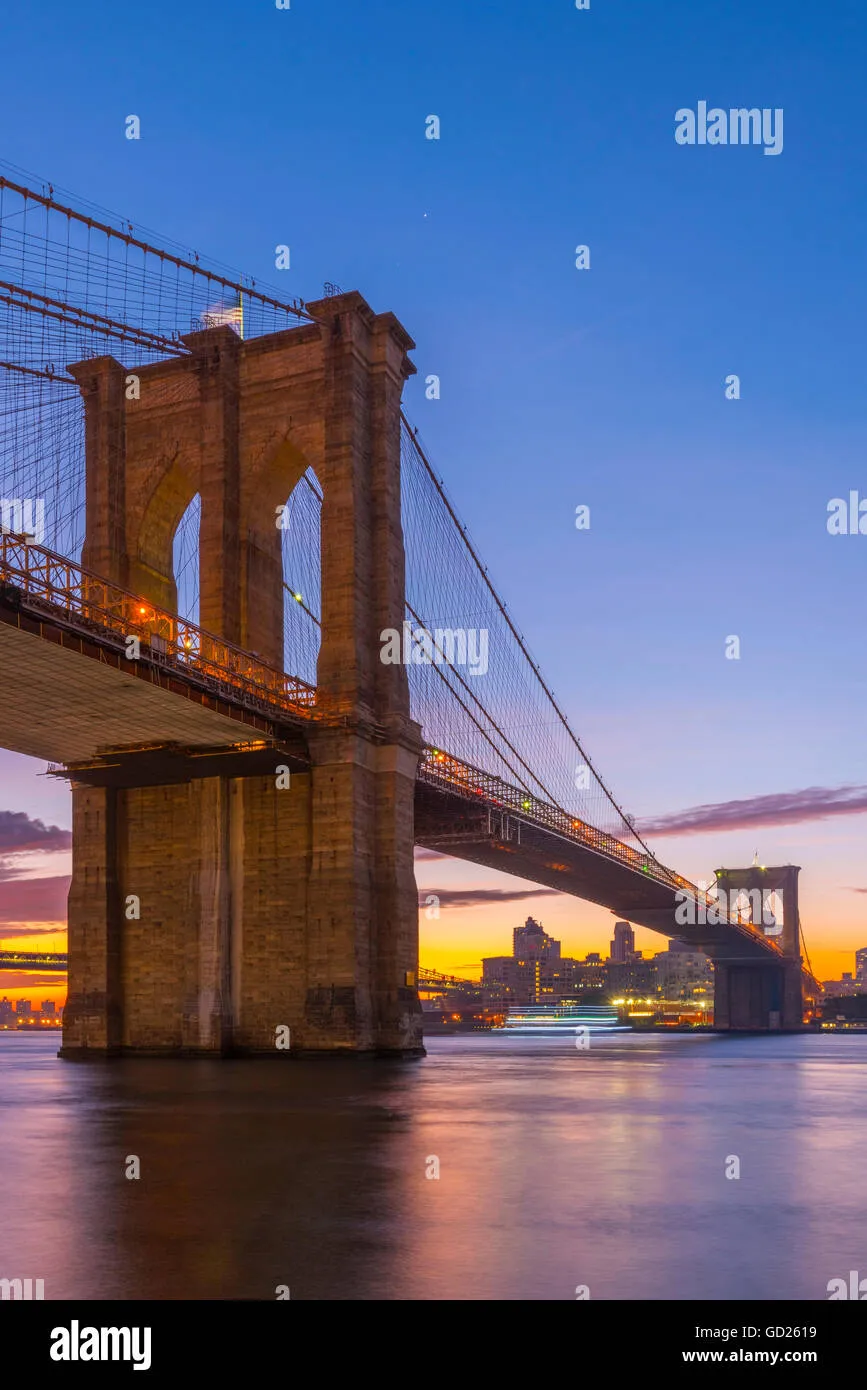 Photo: Brooklyn Bridge, via c8.alamy.com
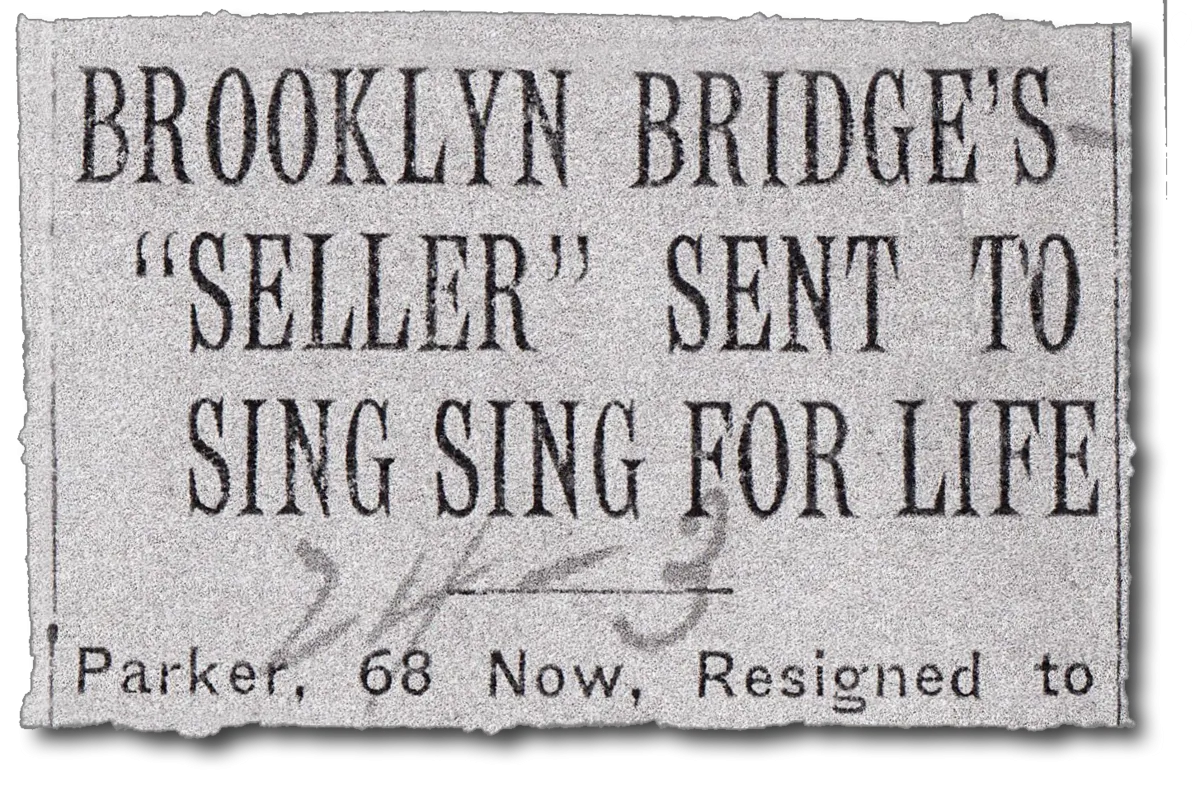 Photo: George C. Parker, via upload.wikimedia.org
Parker wasn't your typical street corner hustler. He was a master of presentation, arriving at meetings in expensive suits with briefcases full of official-looking documents. His forged deeds were works of art, complete with authentic-looking seals and signatures that would fool even experienced businessmen. When potential buyers expressed skepticism, Parker had an answer for everything.
The Perfect Mark
Parker's typical victims were recent immigrants who had saved every penny to start new lives in America. These hardworking individuals saw the Brooklyn Bridge not just as a landmark, but as a goldmine of potential toll revenue. Parker would explain how the city was looking to privatize the bridge, offering it at a "special price" to the right buyer. He'd point out the steady stream of traffic crossing daily, calculating impressive profit projections that made the investment seem like a sure thing.
One particularly elaborate scheme involved Parker setting up a fake office near City Hall, complete with official-looking paperwork and a secretary who would vouch for his credentials. He'd schedule appointments during lunch hours when real city officials were away, giving tours that ended with handshake deals and cash transactions.
The Art of the Con
What set Parker apart from other con artists was his attention to detail. He studied city records, memorized construction histories, and could discuss engineering specifications with the confidence of someone who actually owned what he was selling. When buyers asked about permits for toll booths, Parker had pre-written authorization letters. When they wondered about maintenance costs, he had detailed budgets ready.
Parker's most famous sale involved a farmer from Iowa who paid $2,000 for the Brooklyn Bridge in 1901. The man was so convinced of his ownership that he began setting up toll booths before police intervened. Another victim, a wealthy businessman from Texas, not only bought the bridge but also paid extra for "exclusive fishing rights" to the East River below.
The Downfall
Parker's reign as New York's premier landmark salesman came to an end in 1928 when one of his victims, instead of quietly accepting his loss, decided to fight back through legal channels. The investigation revealed the stunning scope of Parker's operation: he had sold the Brooklyn Bridge dozens of times, Madison Square Garden at least five times, and had even convinced several buyers to purchase the Statue of Liberty despite its obvious federal ownership.
The trial became a media sensation, with newspapers dubbing Parker "the man who sold New York." Prosecutors estimated that over his 45-year career, he had defrauded victims out of what would be millions in today's money. Parker himself remained unrepentant, telling reporters that if people were foolish enough to believe they could buy the Brooklyn Bridge, they deserved what they got.
Legacy of a Legend
Parker died in Sing Sing prison in 1936, but his legacy lives on in American culture. The phrase "I have a bridge to sell you" entered common usage as shorthand for an obvious scam, inspired directly by his exploits. His story became the template for countless fictional con artists, from Broadway musicals to Hollywood films.
Perhaps most remarkably, Parker's success revealed something profound about the American Dream itself. His victims weren't just buying bridges or buildings – they were buying into the idea that in America, anyone could own a piece of the greatest city in the world. Parker understood this desire and exploited it with surgical precision, turning optimism into profit and dreams into dollars.
Today, when someone warns you about a deal that seems too good to be true, they're channeling the wisdom learned from George Parker's victims. Sometimes the most valuable lesson comes from the most expensive mistake.