Staking a Claim Among the Stars: The California Dreamer Who Legally Owns the Moon
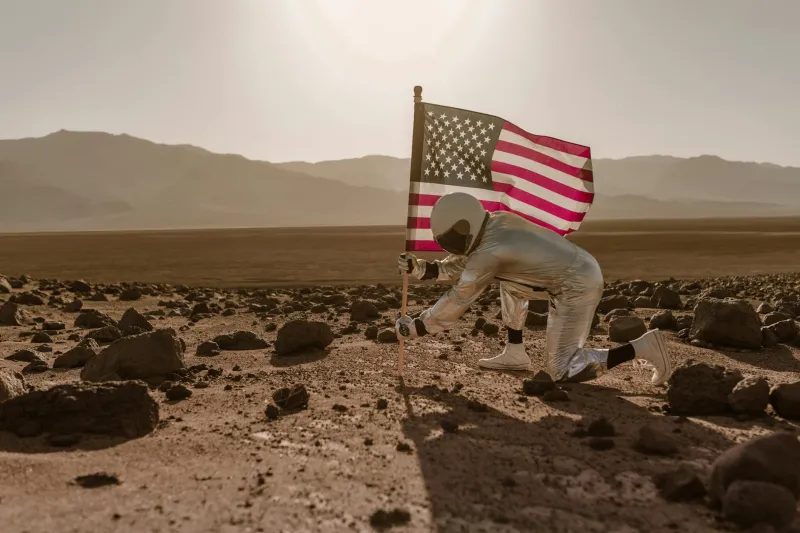
The Moment Everything Changed
Dennis Hope was having a rough day in 1980. Unemployed, recently divorced, and facing eviction from his California apartment, he was desperately searching for a way to turn his life around. Like many people in crisis, he found himself reading legal documents late at night—specifically, the Outer Space Treaty of 1967. What he discovered in those dry paragraphs would either make him a millionaire or the world's most audacious con artist.
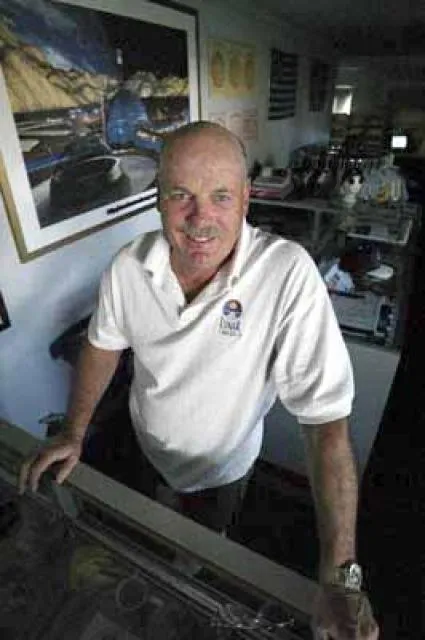 Photo: Dennis Hope, via biographs.org
The treaty clearly stated that "no nation by appropriation shall have sovereignty or control over any of the celestial bodies." But Hope noticed something peculiar: it said nothing whatsoever about individuals.
A Legal Loophole Written in the Stars
Most people would have shrugged off this observation and gone back to their job search. Hope, however, saw opportunity where others saw empty space. If nations couldn't own the moon, but individuals weren't specifically prohibited, then technically the moon was up for grabs under the legal principle of "terra nullius"—land belonging to no one.
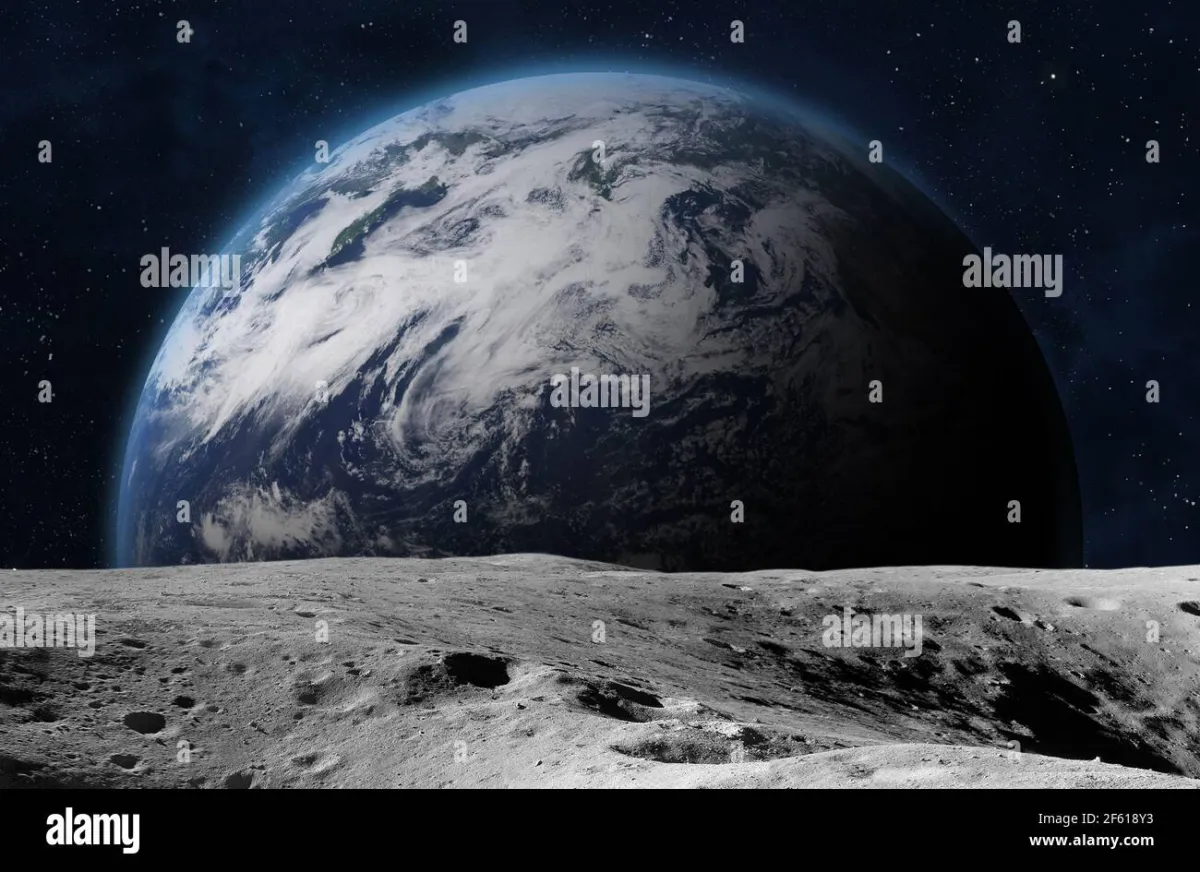 Photo: the Moon, via c8.alamy.com
On November 22, 1980, Hope filed a declaration of ownership with the United Nations, claiming the moon and eight other planets in our solar system. He sent copies to the US government and the Soviet Union, informing them of his claim and graciously offering to sell them land at reasonable rates. When no one objected within the legally required timeframe, Hope considered the matter settled.
Building an Empire on Lunar Real Estate
What started as a desperate gambit quickly evolved into something much stranger. Hope established the Lunar Embassy, a company dedicated to selling plots of moon land to anyone willing to pay. His prices were modest—starting at around $20 per acre—and his marketing was brilliant. Who wouldn't want to own a piece of the moon?
The answer, it turned out, was almost everyone. Hope's customer list reads like a who's who of American culture: presidents Ronald Reagan, Jimmy Carter, and George W. Bush all purchased lunar property. Hollywood stars including Tom Cruise, John Travolta, and Barbara Streisand bought in. Even international figures like former Soviet leader Mikhail Gorbachev and British Prime Minister Tony Blair became lunar landowners.
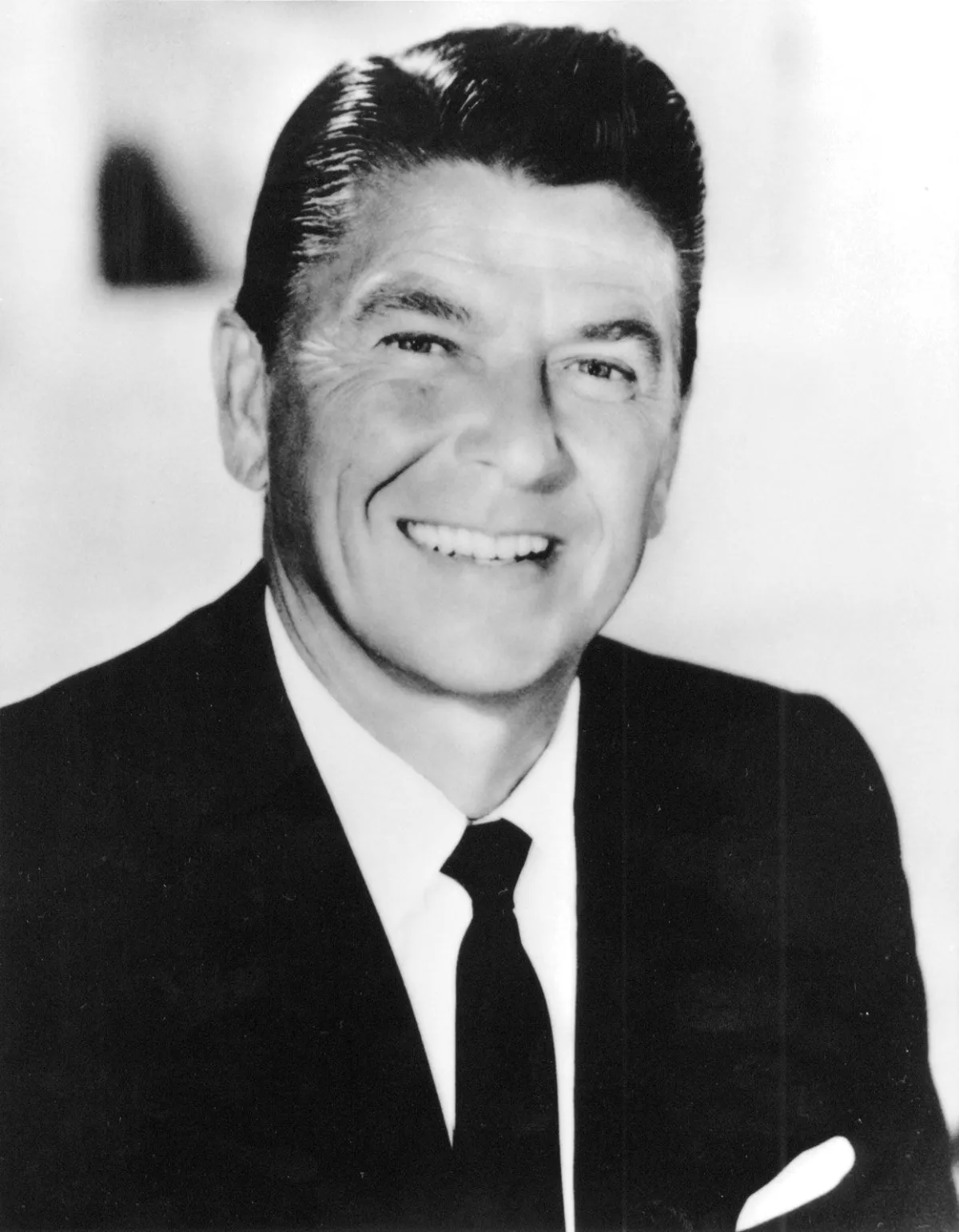 Photo: Ronald Reagan, via cdn.britannica.com
The Business of Selling Nothing
By any reasonable measure, Hope's business model seems absurd. He's selling land he's never seen on a celestial body he'll never visit to customers who can never take possession of their property. Yet the Lunar Embassy has generated millions in revenue and sold plots to over six million people worldwide.
Each customer receives an official-looking deed, complete with coordinates and property descriptions like "Sea of Tranquility, Lot 1." The documents are surprisingly detailed, including mineral rights and the promise that lunar property values will appreciate once space tourism becomes viable.
What makes this even stranger is that Hope's claims have never been definitively rejected by any court. Several legal challenges have been dismissed on technical grounds, but no judge has ruled that his lunar ownership is invalid. The legal limbo continues to this day.
The Government's Awkward Silence
Perhaps the most bizarre aspect of this story is how various governments have responded—or rather, haven't responded. The United Nations acknowledged receiving Hope's claim but took no action to dispute it. NASA has remained diplomatically silent on the matter. The State Department occasionally issues statements about space law but carefully avoids mentioning Hope by name.
This governmental non-response has actually strengthened Hope's position. Under property law, unchallenged claims can eventually become legitimate through a process called "adverse possession." While this principle has never been tested in space court (because space court doesn't exist), Hope's lawyers argue that decades of unchallenged ownership strengthen his legal position.
The Cultural Impact of Cosmic Real Estate
Beyond the legal curiosities, Hope's lunar empire has tapped into something deeper in the American psyche. The idea of owning extraterrestrial property appeals to the same frontier spirit that drove westward expansion. In a world where all earthly frontiers have been mapped and claimed, the moon represents the ultimate undeveloped territory.
Hope has received marriage proposals on lunar property, birth certificates listing moon addresses, and inheritance disputes over crater ownership. One couple held their wedding ceremony on "their" lunar plot via telescope. Another family has passed down moon deeds through three generations.
The Strangest Real Estate Empire Ever Built
Today, Dennis Hope operates from a modest office in Nevada, still selling moon land and fielding calls from potential lunar colonists. His website processes hundreds of orders daily, and his customer service team answers questions about property taxes (none), building permits (unnecessary), and zoning restrictions (non-existent) with straight faces.
The truly remarkable thing isn't that Hope found a loophole in space law—it's that he's managed to build a thriving business around it for over four decades. Whether his customers are buying genuine extraterrestrial real estate or the world's most expensive novelty gifts remains an open question.
In a universe full of unknowns, Dennis Hope has carved out his own strange corner of certainty: he owns the moon, and he's got the paperwork to prove it. At least, nobody's proven otherwise.