When America's Calendar Went Haywire: The Town That Celebrated the Wrong Holiday for 150 Years
The Mistake That Became Tradition
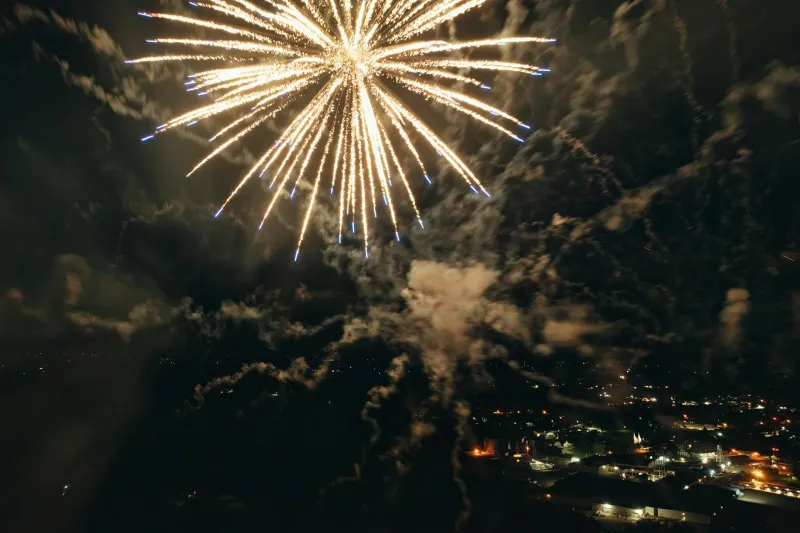
In the small town of Millerville, Pennsylvania, fireworks light up the sky on July 5th, not July 4th. For over 150 years, this community of 3,000 residents has celebrated Independence Day exactly 24 hours after the rest of America, and they wouldn't have it any other way. What started as an embarrassing printing error has become the town's most cherished tradition and a source of fierce local pride.
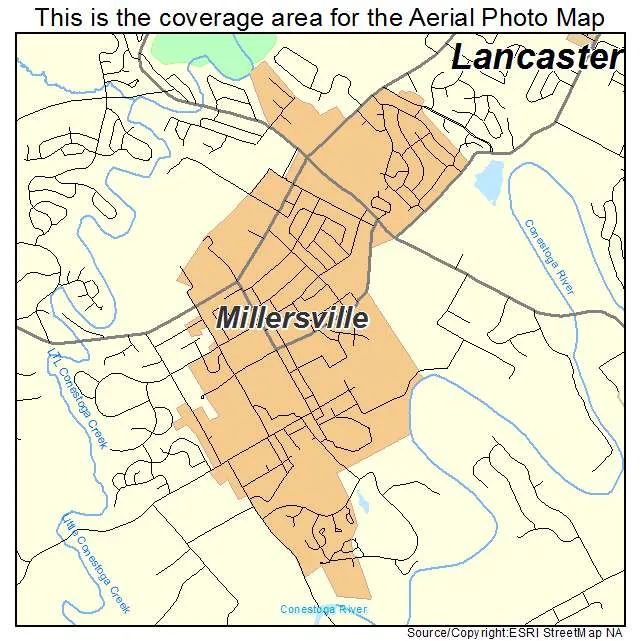 Photo: Millerville, Pennsylvania, via www.landsat.com
The story begins in 1867, when the Millerville Town Council decided to organize their first official Independence Day celebration. The local newspaper, the Millerville Herald, was tasked with printing announcements and distributing them throughout the surrounding counties. But somewhere between the typesetting and the printing press, July 4th became July 5th on every single flyer.
The Discovery That Changed Everything
Nobody noticed the error until July 4th itself, when confused residents began asking why there were no festivities. By then, all the preparations – the band, the food vendors, the decorations – were scheduled for the following day. Town officials faced a choice: scramble to organize a last-minute celebration or proceed as planned and deal with the embarrassment later.
They chose to proceed, and what happened next surprised everyone. The July 5th celebration was a massive success. Residents from neighboring towns, curious about Millerville's unusual timing, came to see what the fuss was about. The delayed celebration meant people could attend traditional July 4th events in nearby cities and then continue the party in Millerville the next day.
The Fight to Stay Different
When town officials discovered the printing error weeks later, they expected residents to demand a correction for the following year. Instead, they found themselves facing a passionate campaign to keep July 5th as Millerville's official Independence Day. Local business owners reported record sales from the extended celebration period. Families loved having two days of patriotic festivities. Even the volunteer fire department argued that responding to July 4th emergencies in other towns was easier when their own celebration was a day later.
The debate split the town council down the middle. Traditionalists argued that celebrating on the wrong date was unpatriotic and embarrassing. Pragmatists pointed out that the mistake had brought unexpected benefits and regional attention. The controversy raged for months, with heated town hall meetings and passionate letters to the editor.
A Bureaucratic Battle
In 1869, Millerville took the unprecedented step of petitioning the Pennsylvania state legislature to officially recognize July 5th as their local Independence Day. The request sparked debate in Harrisburg, with some lawmakers questioning whether individual municipalities could simply choose their own dates for federal holidays.
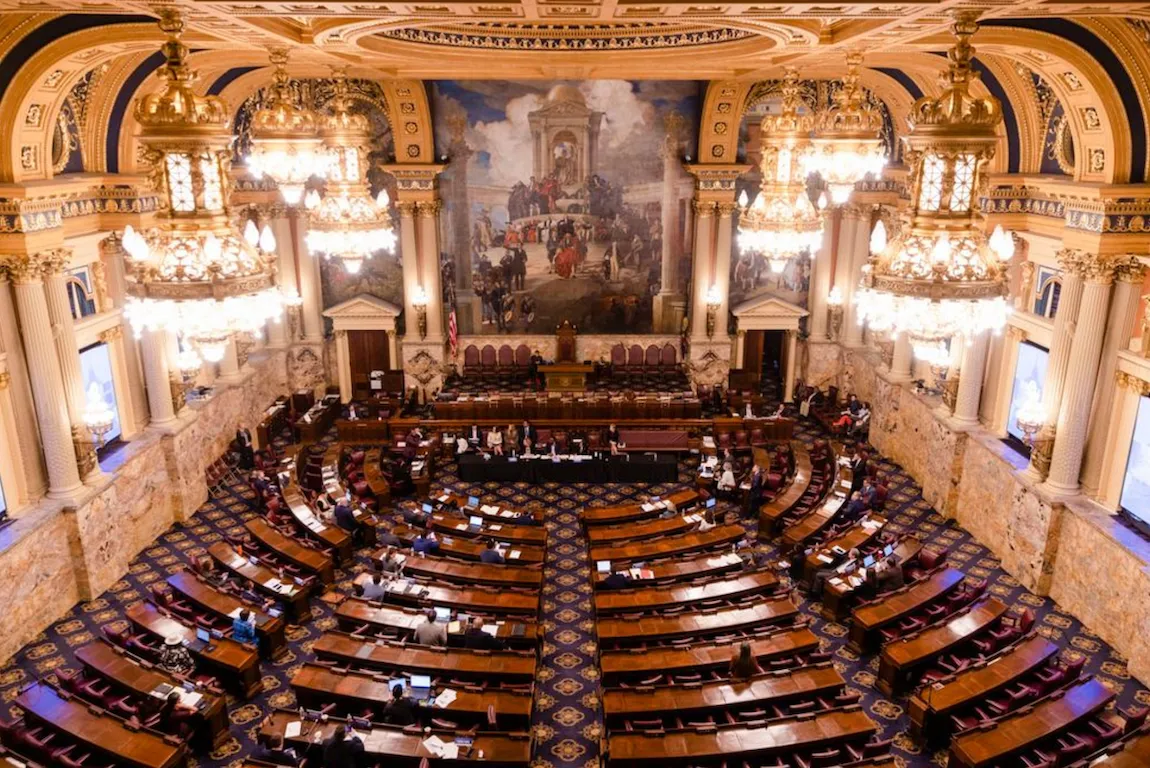 Photo: Pennsylvania state legislature, via whyy.org
The compromise solution was typically American: Millerville could celebrate whenever they wanted, but it would be considered a local civic holiday rather than an official Independence Day observance. This satisfied everyone except the most rigid traditionalists, who continued grumbling about the town's "fake" patriotism for years to come.
The Ripple Effect
Millerville's success with July 5th inspired neighboring communities to experiment with their own calendar quirks. By the 1880s, three other towns in the region had adopted modified holiday schedules, creating a week-long celebration period that attracted visitors from across Pennsylvania and beyond.
The tradition survived the Civil War's end, two World Wars, the Great Depression, and countless changes in local leadership. Each generation of Millerville residents grew up thinking July 5th was perfectly normal, while outsiders continued to find the tradition charmingly eccentric.
Modern-Day Millerville
Today, Millerville's July 5th celebration is a major regional event, drawing thousands of visitors and generating significant tourism revenue. The town has fully embraced its accidental uniqueness, with local businesses selling "July 5th Independence Day" merchandise and the chamber of commerce promoting Millerville as "America's Second Independence Day."
The original 1867 printing error is now displayed in the town's historical society, framed and labeled as "The Mistake That Made Us Special." Local schools teach the story as part of their curriculum, and new residents quickly learn that questioning the July 5th date is considered poor form.
The Lesson of Millerville
Millerville's story reveals something profound about how traditions form and persist. Sometimes the most meaningful customs aren't carefully planned or historically significant – they're simply mistakes that people decided to embrace rather than correct. The town's willingness to turn an embarrassing error into a source of pride demonstrates the peculiarly American ability to find opportunity in chaos.
In an age when conformity often seems mandatory, Millerville stands as a reminder that being different isn't always a problem to be solved. Sometimes it's a gift to be celebrated, even if that celebration happens on the "wrong" day.