Shipwrecked Tourists Who Accidentally Prevented a Colonial Invasion Without Firing a Shot
The Vacation That Changed History
In September 1864, the steamship Meridian Star was carrying twelve well-to-do American tourists on what was supposed to be a leisurely cruise through the Pacific islands. Their itinerary included stops at exotic ports, scenic photography opportunities, and perhaps some light shopping for souvenirs. None of them expected to accidentally alter the colonial map of the Pacific.
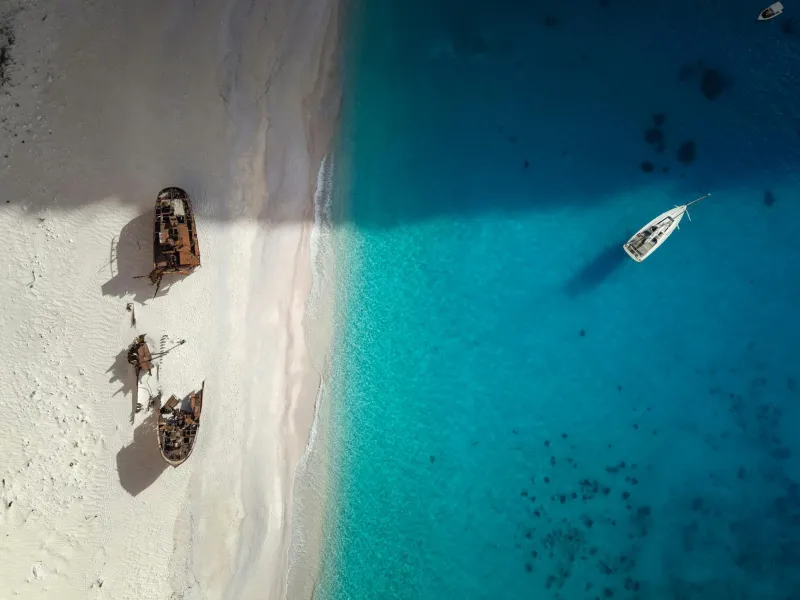
The trouble began when Captain Morrison decided to take a shortcut through uncharted waters near what is now known as Henderson Island. A hidden coral reef tore through the ship's hull, leaving the vessel taking on water faster than the crew could pump it out.
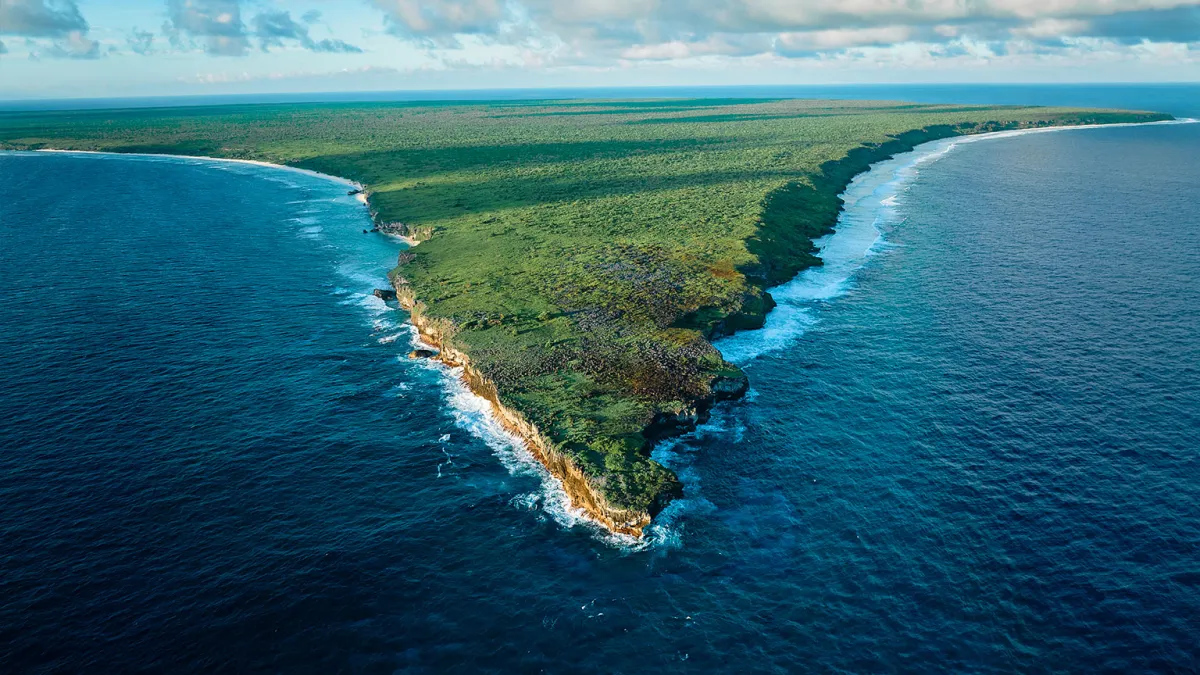 Photo: Henderson Island, via henderson.plasticodyssey.org
Marooned in Paradise
The passengers and crew managed to reach shore with most of their supplies intact, but the Meridian Star was a total loss. What they found was a small, uninhabited island with fresh water springs, tropical fruit, and plenty of driftwood for shelter. For a group of adventure-seeking Americans, it was almost like an extended camping trip—if camping trips lasted several months.
The tourists, led by Philadelphia businessman William Ashford, organized themselves with typical American efficiency. They built substantial shelters, established a signal fire system, and even created a makeshift flagpole where they flew a large American flag salvaged from the ship.
 Photo: William Ashford, via artsdot.com
Unknown to them, their industrious beach camp was about to become the most strategically important piece of real estate in the Pacific.
The Fleet That Changed Course
Three weeks after the shipwreck, British Admiral Sir Reginald Hawthorne was approaching the same island chain with a small but well-equipped colonial expedition. His mission was to establish a British protectorate over several uninhabited islands that could serve as coaling stations for Royal Navy ships traveling between Australia and North America.
 Photo: Admiral Sir Reginald Hawthorne, via polkbusted.com
Henderson Island was at the top of his list—isolated enough to avoid international complications but positioned perfectly for maritime logistics.
As the British ships approached on October 15th, Admiral Hawthorne raised his telescope and saw exactly what he feared most: an established American settlement.
The Misunderstanding That Saved an Island
From the admiral's perspective, the evidence was overwhelming. Through his spyglass, he could see:
- A large American flag flying prominently over well-constructed buildings
- Multiple figures moving around what appeared to be a fortified position
- Smoke rising from several locations (actually cooking fires, but possibly signal communications)
- What looked like organized defensive positions along the beach (actually laundry lines and fishing nets)
To Hawthorne, it was clear that the Americans had beaten him to the punch. The island was already claimed, defended, and presumably backed by U.S. naval power.
A Conference of Confusion
What happened next reads like a comedy of errors written by a diplomatic playwright. Admiral Hawthorne decided to approach under a flag of truce to negotiate territorial boundaries with what he assumed was an American military commander.
William Ashford, seeing British warships approaching, assumed they were coming to rescue his group. He rowed out to meet them, dressed in his finest surviving clothes and carrying a bottle of champagne he'd been saving for their eventual rescue.
The conversation that followed was surreal:
"I presume you're the commanding officer of this American installation?" Hawthorne asked formally.
"Installation? No, we're just tourists," Ashford replied cheerfully. "Our ship sank three weeks ago. Are you here to take us home?"
The Admiral's Dilemma
Hawthorne found himself in an impossible position. If these were truly just shipwrecked civilians, he could easily claim the island for Britain. But what if this was an American deception? What if a U.S. naval squadron was just over the horizon, waiting to see how Britain would treat stranded American citizens?
The admiral's military training told him that establishing a colony while American civilians were present could be seen as an act of aggression. The last thing Britain needed was another diplomatic crisis with the United States, especially while still dealing with tensions from the Civil War.
The Decision That Shaped the Pacific
After consulting with his officers, Admiral Hawthorne made a fateful choice. He would escort the Americans to safety at the nearest British port, then return to claim the island later. It seemed like the diplomatically safe option.
But by the time the British expedition could return two months later, the American government had gotten word of the incident. Sensing an opportunity, the U.S. State Department quickly filed territorial claims on Henderson Island and several neighboring atolls, citing "prior American presence and settlement."
The Tourists Who Never Knew
The twelve shipwrecked Americans were rescued, returned home, and went back to their normal lives, completely unaware that their misfortune had prevented a British colonial expansion. They told friends about their "tropical adventure" and showed off their tans, but none of them realized they had accidentally influenced international territorial boundaries.
William Ashford later wrote in his memoir that the British admiral had been "remarkably courteous" and that the Royal Navy had provided "excellent transportation back to civilization." He never mentioned that his beach camping had derailed an empire's expansion plans.
History's Most Accidental Diplomats
The Henderson Island incident became a footnote in Pacific colonial history, but it demonstrates how the smallest coincidences can reshape the world. A navigational error, a torn ship's hull, and some well-organized camping prevented what might have been a significant expansion of British influence in the Pacific.
Today, Henderson Island remains largely uninhabited, protected as a UNESCO World Heritage site. Visitors can still see remnants of the stone foundations that twelve stranded tourists built in 1864—the same structures that an experienced British admiral mistook for military fortifications.
Sometimes the most effective defense isn't an army or a navy, but simply being in the right place at the wrong time with the right flag and enough organizational skills to look like you know what you're doing.