The Day a Town Tried to Copyright the Sky: Colorado's Bold Claim on Mother Nature

When Weather Becomes Intellectual Property
Most towns are content to trademark their slogans, logos, or maybe a local festival. But in 2003, the small Colorado mountain community of Ridgeview decided to think bigger—much bigger. They became the first and only municipality in American history to successfully trademark a weather phenomenon, briefly turning a cloud formation into legally protected intellectual property.
The story begins with what locals called "The Ridgeview Crown"—a spectacular lenticular cloud that formed with remarkable regularity above their mountain peaks. These lens-shaped clouds, created by specific wind patterns and topography, appeared so consistently that residents began treating them as a town landmark.
The Birth of an Audacious Idea
Town council member Janet Morrison first proposed trademarking the cloud during a 2002 meeting about tourism promotion. Ridgeview was struggling economically, watching neighboring ski towns attract visitors while their own main street emptied out.
"We've got something no other town has," Morrison argued. "This cloud shows up almost every afternoon during certain seasons. It's beautiful, it's unique, and it's ours. Why shouldn't we protect it?"
Most council members initially dismissed the idea as impossible. You can't trademark weather, they reasoned. The federal government would never approve such a thing.
But Morrison had done her homework. She'd discovered that trademark law protects distinctive marks used in commerce, and there was no specific exclusion for natural phenomena. If the cloud could be considered part of the town's commercial identity—used in tourism marketing, for example—it might qualify for protection.
The Application That Stunned Everyone
In January 2003, Ridgeview filed United States Trademark Application Serial No. 78214789 for "The Ridgeview Crown: A Distinctive Lenticular Cloud Formation Occurring Over Ridgeview, Colorado." The application included photographs of the cloud, meteorological data about its formation patterns, and evidence of its use in the town's tourism materials.
The application argued that the cloud formation was sufficiently distinctive and had acquired "secondary meaning" as an identifier of Ridgeview. Just as people associated the Golden Gate Bridge with San Francisco, the Crown cloud had become synonymous with their town.
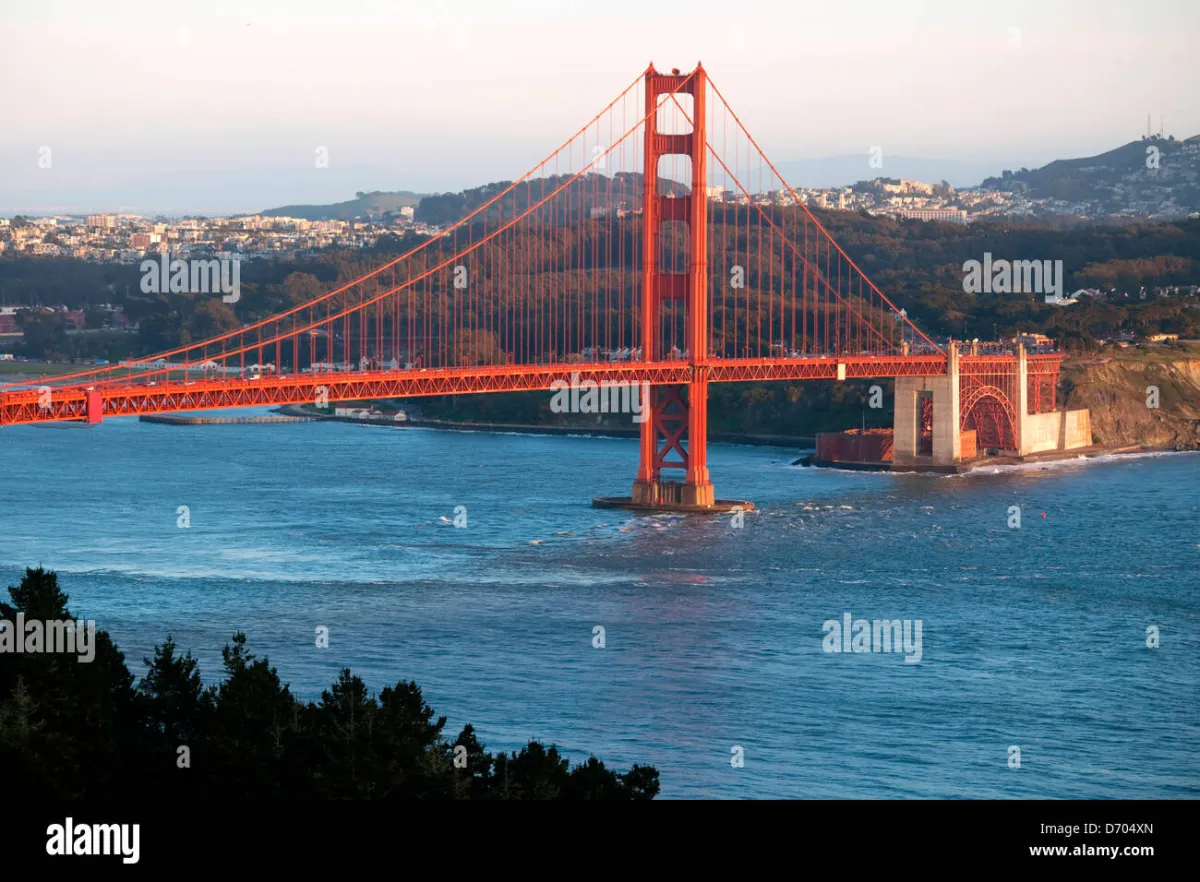 Photo: Golden Gate Bridge, via c8.alamy.com
Trademark attorney Sarah Chen, who worked on the application, later admitted she wasn't sure it would succeed. "We were basically arguing that a weather pattern could be a brand identifier," she said. "It was legally unprecedented, but not necessarily legally impossible."
The Examiner's Dilemma
The trademark application landed on the desk of USPTO examining attorney Michael Rodriguez, who later described it as the strangest filing he'd ever encountered. "I spent weeks researching whether weather could be trademarked," Rodriguez recalled. "There was no legal precedent, no guidance in the manual, nothing."
Rodriguez's initial instinct was to reject the application as frivolous. But as he dug deeper into trademark law, he couldn't find a clear basis for denial. The cloud formation was indeed distinctive, it was being used in commerce (tourism), and it functioned as a source identifier for the town.
After consulting with supervisors and legal experts, Rodriguez made a decision that would briefly turn trademark law on its head: he approved the application.
The Trademark That Broke the Internet
When news of the approval broke in August 2003, the story went viral before "going viral" was even a common phrase. News outlets around the world covered the town that had trademarked a cloud. Late-night comedians made jokes about licensing fees for looking at the sky.
The attention was exactly what Ridgeview had hoped for—tourism inquiries poured in from people wanting to see the famous trademarked cloud. Local businesses started selling "Crown Cloud" merchandise. The town briefly experienced an economic boom based entirely on their audacious legal maneuver.
But the success came with unexpected complications.
When Neighbors Become Infringers
The same meteorological conditions that created Ridgeview's Crown cloud also produced similar formations over neighboring towns. Within weeks of the trademark approval, Ridgeview received angry calls from other municipalities whose residents could see identical clouds from their own properties.
"Are you going to sue us for having weather?" demanded the mayor of nearby Cloudcrest, whose town sat just fifteen miles away.
The question wasn't entirely absurd. Trademark law gives owners the right to prevent others from using their protected marks in commerce. If neighboring towns started using similar cloud formations in their own tourism marketing, they could theoretically face infringement claims.
Ridgeview's town attorney, David Park, found himself fielding increasingly surreal legal questions. Could they sue the National Weather Service for photographing their trademarked cloud? What about airplane passengers who took pictures while flying through the formation?
The Meteorological Reality Check
The trademark's legal problems became apparent when atmospheric scientist Dr. Lisa Chen (no relation to the trademark attorney) published a paper explaining that lenticular clouds were common throughout the Rocky Mountains. The specific formation Ridgeview had trademarked appeared over dozens of locations whenever wind conditions were right.
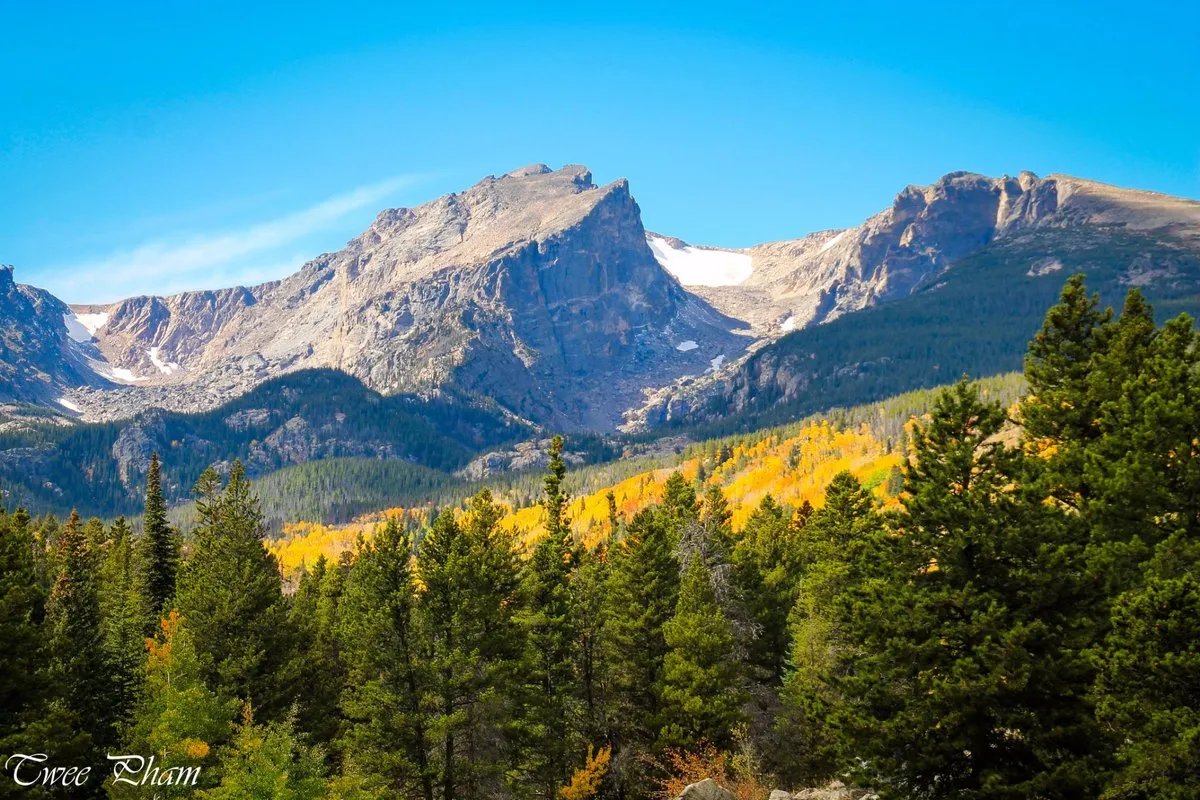 Photo: Rocky Mountains, via dynamic-media-cdn.tripadvisor.com
"You can't trademark a cloud any more than you can trademark a rainbow," Dr. Chen wrote. "These are natural phenomena governed by physics, not intellectual property law."
Her research caught the attention of the USPTO's quality review team, who began reconsidering the approval. Meanwhile, environmental groups started raising questions about the precedent of privatizing weather patterns.
The Quiet Retreat
Faced with mounting legal challenges and negative publicity, Ridgeview quietly allowed their trademark to lapse in 2004. The town council voted not to renew the registration, citing "unforeseen administrative complications."
Councilwoman Morrison, the original champion of the trademark, later admitted the experiment had gotten out of hand. "We just wanted to put our town on the map," she said. "We never thought about what it would mean to actually own the weather."
The USPTO, meanwhile, updated its examination guidelines to clarify that natural phenomena cannot be trademarked, regardless of their distinctiveness or commercial use. The Ridgeview case became a cautionary tale cited in intellectual property courses nationwide.
The Legacy of Legal Overreach
Today, the Crown cloud still appears regularly over Ridgeview, completely unaware that it was briefly the subject of federal intellectual property protection. The town has returned to more conventional tourism marketing, though they still mention their "famous cloud" in promotional materials—carefully avoiding any claims of ownership.
The trademark filing remains in USPTO records as Serial No. 78214789, a monument to human audacity and the unexpected gaps in legal frameworks. Patent attorneys still reference the case when explaining the limits of intellectual property protection.
Ridgeview's brief experiment in weather ownership serves as a reminder that just because something is technically legal doesn't mean it's practically wise. Sometimes the most interesting legal questions arise not from what the law prohibits, but from what it accidentally allows.
The town learned that while you might be able to trademark the sky, you probably shouldn't—especially if you have to share that sky with your neighbors.