When Uncle Sam Became the Cheese King: Inside America's Two-Billion-Pound Dairy Disaster
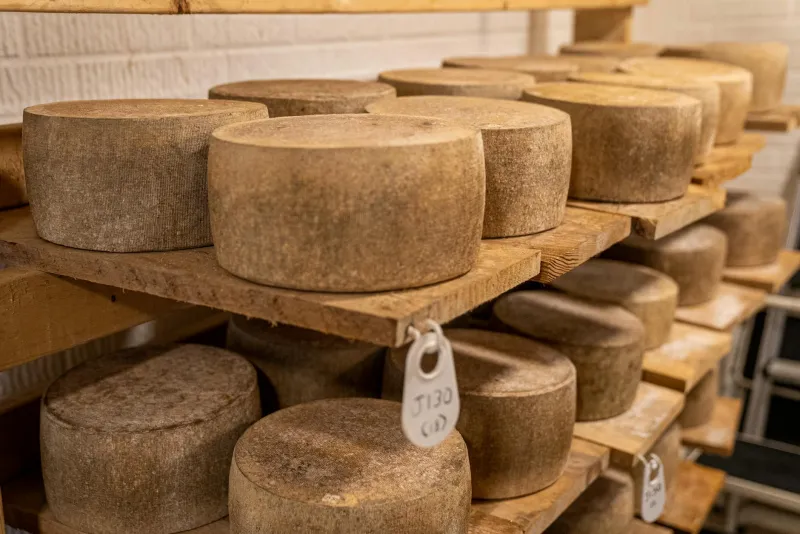
The Best Intentions Gone Spectacularly Wrong
In 1977, the U.S. government had a simple goal: help struggling dairy farmers stay afloat by guaranteeing minimum prices for their milk. What could go wrong with a straightforward agricultural subsidy? As it turned out, absolutely everything.
The Commodity Credit Corporation began purchasing surplus dairy products to maintain market prices, assuming they'd buy modest amounts during occasional oversupply periods. Instead, they triggered the most ridiculous food crisis in American history—not because there wasn't enough cheese, but because there was way, way too much.
The Avalanche of American Cheese
Within three years, the government's cheese purchases had exploded from a few million pounds to hundreds of millions. Dairy farmers, guaranteed profitable prices regardless of demand, cranked up production to unprecedented levels. Why worry about market saturation when Uncle Sam was buying everything?
By 1981, the federal government owned 560 million pounds of cheese, stored in refrigerated warehouses from coast to coast. But that was just the beginning. The purchasing program had created such powerful incentives that farmers kept expanding their operations, and the cheese mountain kept growing.
The situation reached peak absurdity in 1983, when government stockpiles hit an astronomical 2.2 billion pounds of cheese. To put that in perspective, it was enough cheese to give every American about ten pounds each, or roughly equivalent to the entire annual cheese consumption of France, Italy, and Germany combined.
Underground Empire of Dairy
Storing two billion pounds of cheese presented logistical challenges that would have made the Pentagon weep. The government rented refrigerated space wherever they could find it, from converted airplane hangars to abandoned subway tunnels. The most famous storage site was a series of limestone caves outside Kansas City, where millions of pounds of government cheese aged in subterranean chambers that stretched for miles.
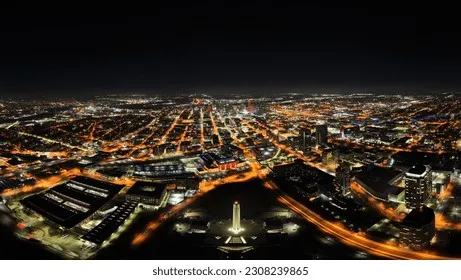 Photo: Kansas City, via www.shutterstock.com
These caves became the stuff of legend. Workers described vast underground cities of stacked cheese wheels, patrolled by federal guards and monitored by agricultural inspectors. The storage costs alone were running taxpayers $1 million per day, not counting the original purchase prices or the army of federal employees needed to manage the world's strangest strategic reserve.
Meanwhile, the purchasing program continued unabated. Every month brought fresh deliveries of surplus dairy products that nobody had ordered and nobody knew what to do with. The government was trapped in a bureaucratic nightmare of its own making.
Reagan's Cheesy Solution
By 1982, President Ronald Reagan faced a peculiar crisis: how do you explain to taxpayers that their government has become the world's largest cheese dealer? His solution was characteristically direct and slightly insane—give it all away for free.
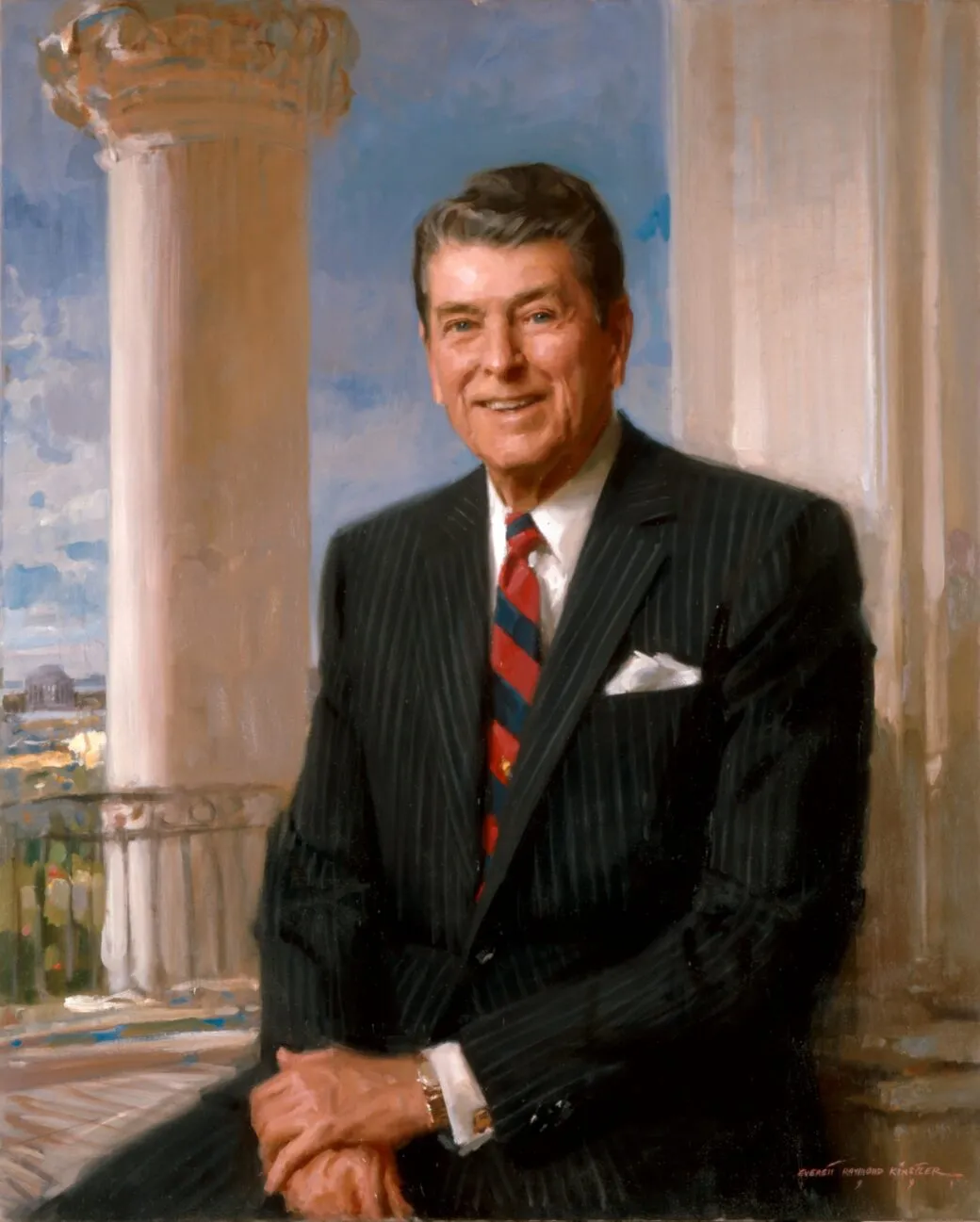 Photo: Ronald Reagan, via d1y822qhq55g6.cloudfront.net
The Temporary Emergency Food Assistance Program began distributing government cheese to food banks, schools, and low-income families across America. Suddenly, millions of Americans found themselves receiving monthly deliveries of processed cheese that came in unmarked boxes stamped only with "U.S. GOVERNMENT."
The cheese itself became a cultural phenomenon. It was notably different from commercial varieties—denser, more processed, and with a distinctive flavor that recipients either loved or tolerated. "Government cheese" entered American slang as shorthand for both poverty and bureaucratic absurdity.
The Unexpected Cultural Legacy
What started as an agricultural policy disaster evolved into an accidental social program that fed millions of families during the recession-plagued early 1980s. Recipients developed elaborate recipes for government cheese, shared cooking tips, and created an entire subculture around making the best of their monthly dairy windfall.
Comedians found endless material in the situation. "Saturday Night Live" featured sketches about government cheese caves. Stand-up comics built entire routines around the absurdity of federal cheese distribution. The phrase "cutting the cheese" took on new meaning when your cheese came pre-cut by federal employees.
Even after the distribution programs ended, government cheese maintained its place in American folklore. Entire cookbooks were devoted to government cheese recipes. Food historians began studying the cultural impact of mass cheese distribution. Nostalgia websites featured memories of growing up on government dairy products.
The Slow Melt of a Dairy Dynasty
It took most of the 1980s to work through the government's cheese stockpile. Distribution programs, food bank donations, and international aid shipments gradually reduced the underground empire. By 1990, federal cheese storage had returned to manageable levels, and the caves were mostly empty.
The dairy price support program was eventually reformed to prevent future cheese mountains, though it took several more crises and policy adjustments. Agricultural economists still study the period as a textbook example of how market interventions can create unintended consequences on a massive scale.
Lessons from the Limestone Caves
The government cheese saga offers a perfect example of how bureaucratic good intentions can create surreal realities. What began as a modest farm subsidy evolved into a national cheese emergency that required presidential intervention and created an accidental cultural phenomenon.
Today, those Kansas City caves are mostly used for commercial storage, but tour guides still point out the chambers where millions of pounds of government cheese once aged in taxpayer-funded darkness. The limestone walls witnessed one of the strangest chapters in American agricultural history—the brief period when the United States government was the undisputed cheese champion of the world.
In the end, the great cheese mountain serves as a reminder that sometimes the most unbelievable stories are hidden in government warehouses, aging quietly until someone decides to tell the tale of how America accidentally cornered the global dairy market and then gave it all away for free.