Following the Mail Route: How Alaska's Most Remote Town Grew Around a Postman's Path
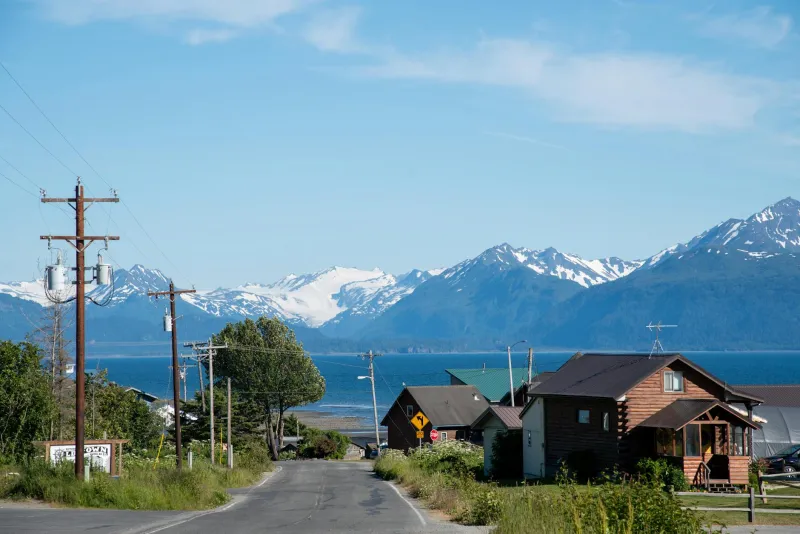
The Line That Built a Town
If you look at a map of rural Alaska today, you'll find the village of Mailbox Ridge nestled between two mountain ranges, home to roughly 400 people who live farther from civilization than most Americans can imagine. What the map won't tell you is that this community exists for one simple reason: someone needed a place to deliver mail.
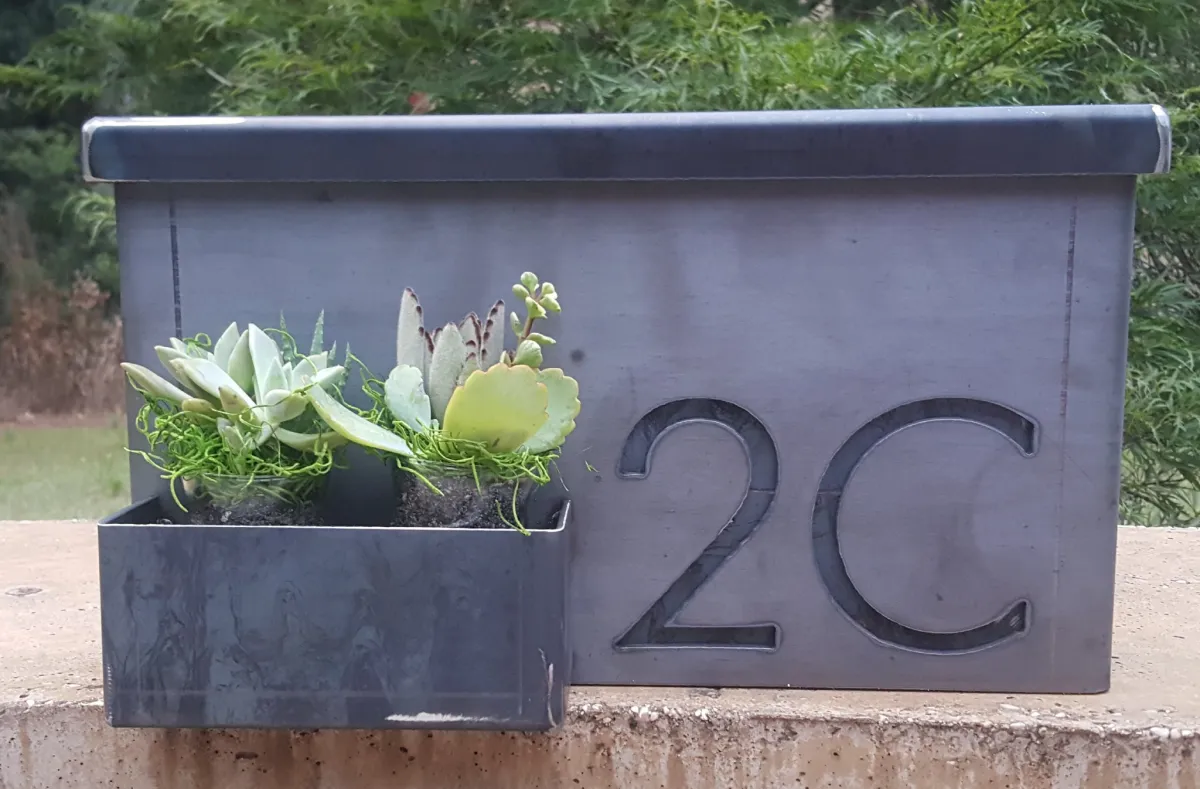 Photo: Mailbox Ridge, via alpinemetaldesign.com
In 1910, the entire settlement consisted of three families scattered across fifteen square miles of wilderness. Today, it's a thriving town with a school, general store, and the state's most reliable postal service. The transformation happened because early Alaskans discovered something the Postal Service never intended: mail routes have magnetic power.
The Problem of Alaskan Isolation
When Alaska became an official territory in 1912, the federal government faced a unique challenge. Unlike the continental United States, where towns sprouted up along rivers and railroad lines, Alaska's population was scattered in isolated pockets across an area twice the size of Texas. Homesteaders lived months away from their nearest neighbors, connected only by dog sled trails and seasonal supply ships.
The Postal Service, mandated by law to serve every American citizen regardless of location, had to figure out how to deliver mail to people who lived beyond the edge of the world. Their solution was ambitious: establish regular delivery routes that connected every inhabited location, no matter how remote.
Route 47-North was one of these experimental lines. It started in Fairbanks, wound through 180 miles of mountain passes and frozen rivers, and ended at the homesteads of the Kowalski, Henderson, and Nakamura families—the only people known to live in that particular corner of nowhere.
The Magnet Effect
What postal planners didn't anticipate was human psychology. In early 20th-century Alaska, reliable mail delivery wasn't just convenient—it was a lifeline. Letters brought news from family, newspapers, medical supplies, and the psychological comfort of connection to the outside world.
Word spread through Alaska's informal communication networks that Route 47-North offered monthly mail service, guaranteed year-round. Suddenly, homesteaders began claiming land along the route's path, positioning themselves to intercept the mail carrier during his monthly journey.
"People followed that mail route like it was a river," explained local historian Sarah Chen, whose great-grandfather was among the early settlers. "If you could flag down the postman, you could get your letters. So families started building cabins wherever the route passed through."
 Photo: Sarah Chen, via yt3.googleusercontent.com
Building Around the Schedule
By 1915, the monthly mail run had become a traveling social event. Families would time their errands and visits to coincide with the postal carrier's arrival, creating impromptu gatherings at various stops along the route. The Kowalski homestead, located roughly at the route's midpoint, became an unofficial rest stop where the carrier would spend the night.
Recognizing opportunity, Mrs. Helena Kowalski began charging other settlers for meals and sleeping space during mail days. Within two years, she'd built Alaska's most remote boarding house, complete with a small general store stocked with supplies the mail carrier brought from Fairbanks.
"The post office created the town by accident," said current postmaster Tom Ridley, whose great-uncle was one of the original mail carriers. "Nobody planned for Mailbox Ridge to exist. It just grew around the need to get letters."
The Economics of Connection
As more families settled along Route 47-North, the monthly mail delivery became increasingly complex. By 1920, the carrier was stopping at seventeen different locations, turning what started as a three-day journey into a two-week expedition. The Postal Service considered canceling the route entirely until they realized something remarkable had happened.
The scattered homesteads had evolved into a functioning community. Settlers were trading goods, sharing labor, and even establishing informal schools for their children. The mail route had become the backbone of a local economy that generated enough tax revenue to justify its own post office.
In 1923, the Postal Service officially established the Mailbox Ridge Post Office, making it the northernmost year-round postal facility in Alaska. The designation attracted even more settlers, who knew that having an official post office meant guaranteed mail service regardless of weather or political changes.
Modern Mailbox Ridge
Today, Mailbox Ridge operates much like any other small Alaskan town, with one crucial difference: it still revolves around mail delivery. The post office remains the community's social center, where residents gather to collect packages, share news, and coordinate community activities.
The original Route 47-North has been upgraded to a proper road, though it's still only accessible by snowmobile for half the year. During winter months, mail arrives by small plane, but the community's rhythm still follows postal schedules established more than a century ago.
"We joke that we're probably the only town in America that exists because of the post office," said Mayor Linda Kowalski-Chen, Helena Kowalski's great-granddaughter. "But it's not really a joke. Without that mail route, none of us would be here."
The Unintended Consequences of Government Efficiency
The story of Mailbox Ridge illustrates how government logistics can shape human settlement in ways no planner ever intended. The Postal Service simply wanted to fulfill its constitutional mandate to deliver mail to every American citizen. They never imagined that drawing a line on a map would create a town.
Similar phenomena occurred throughout rural America, but nowhere as dramatically as in Alaska, where the distances were so vast and the population so scattered that postal routes became the primary organizing principle for human settlement.
"The post office was more powerful than gold rushes or railroad companies in shaping where Alaskans lived," explained University of Alaska historian Dr. Michael Brennan. "If you wanted to stay connected to civilization, you built your life around mail delivery."
A Legacy Written in Letters
Mailbox Ridge's post office still displays a framed copy of the original 1910 route map, showing three lonely dots connected by a thin line across empty wilderness. Today, that same area is dotted with homes, businesses, and the infrastructure of a thriving community—all because someone decided the mail must go through.
The town's motto, painted on a weathered sign at the community center, captures their unique origin story: "Founded by Letters, Built by Hope." It's a reminder that sometimes the most important human settlements grow not from grand design, but from the simple human need to stay in touch.