Can You Own Nothing? The Musician Who Got Sued for Recording Pure Silence

Photo: Mattsjc, CC BY-SA 4.0, via Wikimedia Commons
Let's start with the piece itself, because without understanding how genuinely strange it is, the legal fight that followed makes even less sense than it already does.
In August 1952, pianist David Tudor walked onto a stage at a woodsy arts center in Woodstock, New York, sat down at a piano, opened the keyboard lid, and did not play a single note for four minutes and thirty-three seconds. He closed the lid. He stood up. The audience — many of whom had driven considerable distances to attend an avant-garde music festival — sat in various states of confusion, irritation, and reluctant fascination.
 Photo: Woodstock, New York, via www.newyorksbestexperiences.com
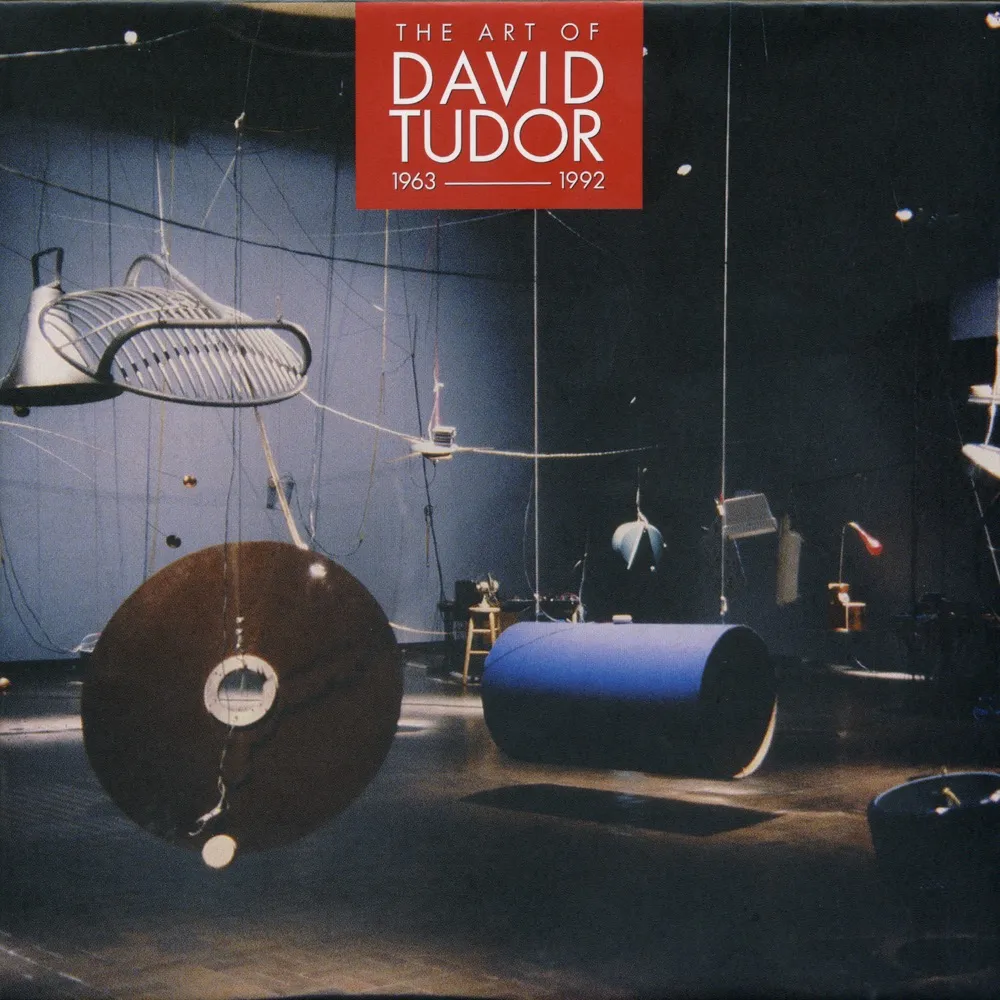 Photo: David Tudor, via cdn.albumoftheyear.org
The piece was called 4'33". Its composer was John Cage, already notorious in experimental music circles for doing things that made classical musicians quietly furious. The score, such as it was, instructed the performer to make no intentional sounds for the indicated duration. The "music," Cage argued, was whatever ambient sound existed in the room — the shuffling of programs, the wind outside, the involuntary cough of someone in the third row who was beginning to regret attending.
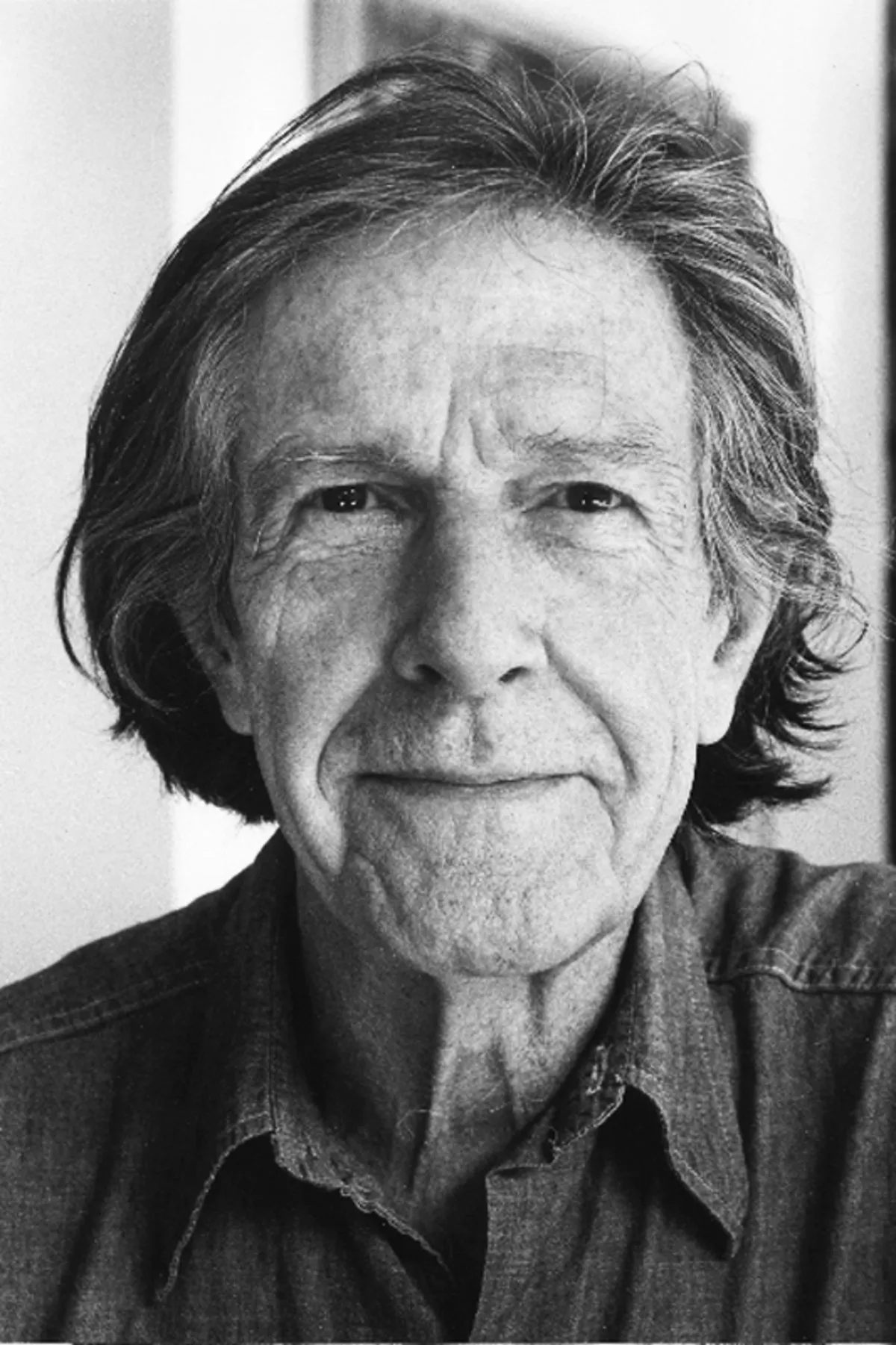 Photo: John Cage, via onlythesoundremains.com
Most of the cultural establishment treated it as a prank. A few took it seriously as a philosophical statement about the nature of sound and listening. Nobody, in 1952, thought it would eventually require intellectual property lawyers.
Fifty Years of Peaceful Irrelevance
For roughly half a century, 4'33" occupied a stable and peculiar niche in American cultural life. It was famous in the way that genuinely challenging art becomes famous — widely referenced, rarely experienced, occasionally performed at institutions brave enough to program it, and understood primarily as a conversation-starter about what music actually is.
Cage, who died in 1992, had spent his later years as something of an elder statesman of the American avant-garde. His silence piece was taught in music theory courses, cited in philosophy dissertations, and generally regarded as untouchable in the sense that nobody could imagine it generating commercial controversy. It was too strange, too conceptual, too resolutely uncommercial to become the subject of a legal dispute.
That assessment turned out to be wrong in a specific and almost beautifully ironic way.
Mike Batt and the Track That Started a War
In 2002, British musician and composer Mike Batt — best known in the UK for his work with the Wombles, a beloved children's entertainment franchise — released an album by his classical group The Planets. As a joke, or perhaps as a tribute, or perhaps as both simultaneously, he included a track on the album listed as a piece of original composition. The track was one minute of complete silence.
Batt credited the track on the album to "Batt/Cage" — a winking acknowledgment that the concept owed something to Cage's famous precedent.
Peters Edition, the British music publisher that holds the copyright to 4'33", did not find this particularly funny. They contacted Batt with a copyright infringement claim, arguing that his silent track — or more precisely, his crediting of Cage as a co-author — constituted unauthorized use of a copyrighted work.
Batt's response was essentially: you cannot copyright silence. Silence is the absence of sound. It is not a creative work. It is nothing, by definition.
Peters Edition's counter-position was that Cage's silence was structured silence — a specific duration, a specific conceptual framework, a specific artistic intent — and that this structure constituted original creative expression protected by copyright law.
And just like that, a roomful of lawyers found themselves arguing about the ontological status of nothing.
The Legal and Philosophical Absurdity
The dispute never made it to a full court hearing, which is both a relief and a disappointment depending on how much you enjoy watching legal institutions grapple with questions better suited to a philosophy seminar. Batt eventually settled with Peters Edition for an undisclosed sum — reportedly a six-figure amount — which he paid without conceding that he had actually infringed anything. He described the payment publicly as a "gesture" and suggested with some evident amusement that his silence was "better than Cage's silence" because it was "a much better recording."
But the settlement left the underlying question genuinely unresolved, and that unresolved question is the part that keeps music lawyers and intellectual property scholars periodically returning to the story.
Can silence be copyrighted? The answer, under American and British copyright law, is theoretically no — copyright protects original creative expression, and silence, as the absence of expression, would seem to fall outside that protection almost by definition. But Cage's piece isn't simply silence. It's a scored, performed, timed, intentional artistic work that uses silence as its medium. The score exists. The performance instructions exist. The copyright registration exists.
What Batt's track infringed, if it infringed anything, was not the silence itself but the idea of deliberate, structured silence as artistic performance — which copyright law also doesn't protect, because copyright covers expression, not ideas. It's a circle that doesn't close neatly, and music industry lawyers who've looked at it carefully tend to arrive at the conclusion that the whole thing was a mess from the start.
Why It Still Matters
The Batt dispute surfaced at the exact moment the music industry was beginning its long, panicked confrontation with digital reproduction and intellectual property in the internet age. The question of what could and couldn't be owned — in music, in art, in digital space — was becoming urgently practical rather than abstractly philosophical.
In that context, the silence case was almost a stress test for the system. If the concept of owned creative expression could be stretched to cover the absence of sound, what exactly couldn't it cover? The case didn't answer that question, but it demonstrated with uncomfortable clarity how elastic copyright claims could become when applied to genuinely unconventional creative work.
John Cage spent his career insisting that the boundaries between music and noise, between art and life, between something and nothing, were far more porous than conventional thinking allowed. He probably would have found the legal dispute either hilarious or perfectly predictable, depending on his mood.
The lawyers, presumably, just found it expensive.