He Sold the Eiffel Tower for Scrap — Then Came Back and Tried to Sell It Again
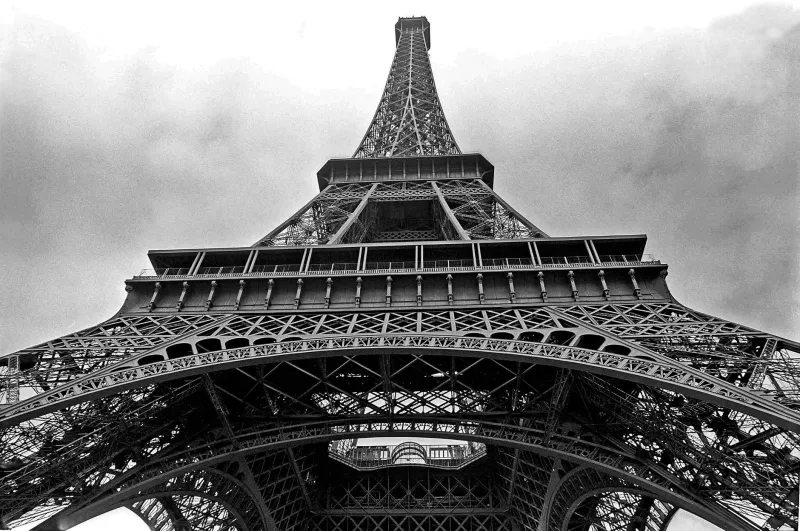
Most con artists, after successfully swindling someone out of a small fortune in one of the most audacious frauds ever attempted, would take the money, leave the country, and never speak of it again. Most con artists are not Victor Lustig.
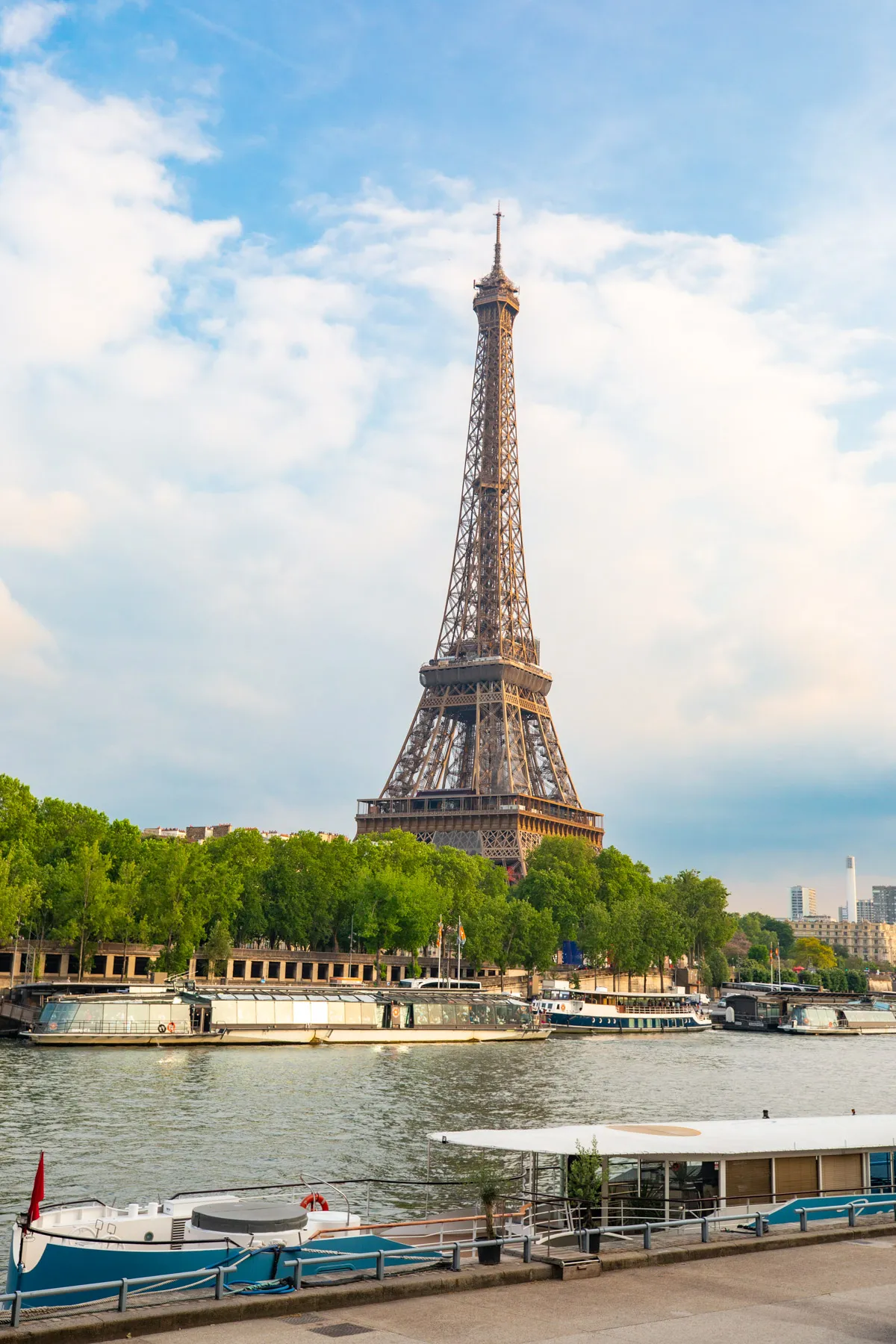 Photo: Eiffel Tower, via embracesomeplace.com
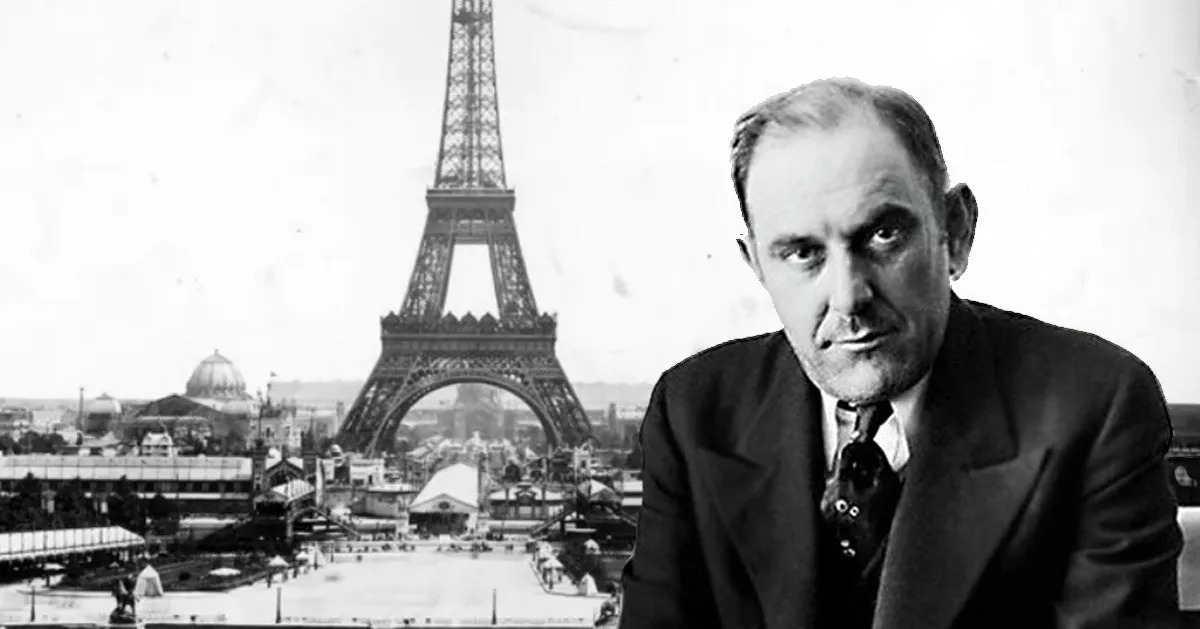 Photo: Victor Lustig, via www.arolketchraconte.com
Lustig took the money, left the country briefly, came back, and tried to sell the Eiffel Tower a second time.
The fact that this happened — that it is documented, studied, and very much real — is the kind of thing that makes you question the line between historical fact and elaborate myth. But the paper trail is solid, the criminological literature is extensive, and the story is exactly as absurd as it sounds.
The Setup: A Government Official With a Briefcase
By 1925, Victor Lustig had already carved out a career as one of the most gifted con men in the world. Born in Bohemia in 1890, he spoke five languages, dressed impeccably, and had the particular talent of making wealthy, sophisticated people feel like they were the smartest person in the room — right up until they weren't.
He arrived in Paris in the spring of 1925 and noticed something that most visitors would file away as a minor piece of local color: the Eiffel Tower was in bad shape. Built for the 1889 World's Fair, the tower had been the subject of ongoing public debate about whether it was worth the maintenance cost. Newspapers had covered the controversy. Parisians grumbled about it.
Lustig recognized a story that was already halfway to believable.
Using counterfeit government stationery, he arranged a meeting at the Hotel de Crillon — one of Paris's most prestigious addresses, which itself lent credibility to the proceedings — with five of the city's leading scrap metal dealers. He introduced himself as a deputy director-general of the Ministry of Posts and Telegraphs. He was authoritative, bureaucratic, and entirely convincing.
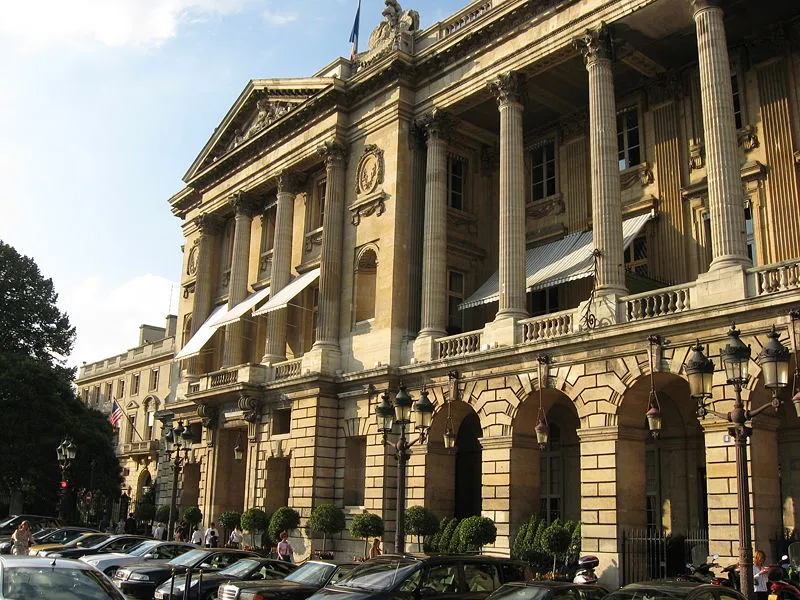 Photo: Hotel de Crillon, via cdn.luxuo.com
His pitch was simple: the French government had quietly decided to demolish the Eiffel Tower and sell the scrap metal. The decision was politically sensitive — the public had not been informed — and required absolute discretion. He was soliciting sealed bids from a select group of trusted dealers.
He then took the group on a personal tour of the tower, which added a layer of legitimacy that no amount of forged letterhead could match. He answered technical questions. He spoke knowledgeably about the tonnage of iron involved. He was, by every account, completely convincing.
The Mark Who Couldn't Go to the Police
Among the five dealers was a man named André Poisson — a provincial businessman who was, by some accounts, slightly insecure about his standing among the more established Parisian dealers. Lustig identified this insecurity with the precision of a diagnostician and spent extra time making Poisson feel valued, included, and specially trusted.
Poisson submitted the winning bid and handed over a substantial sum in cash — estimates vary, but the figure is generally placed in the range of what would be tens of thousands of dollars in today's money. Lustig took the payment, along with a separate personal bribe that Poisson offered to ensure the deal went smoothly — a detail that tells you everything about how thoroughly Lustig had read his mark.
Then Lustig got on a train to Vienna.
Poisson went to take possession of his purchase and discovered, with dawning horror, that no such sale existed, no such government official existed, and he had just handed a stranger a fortune in exchange for a landmark he had approximately zero legal claim to.
He did not go to the police.
The embarrassment of explaining to French authorities — and, worse, to the press — that he had paid cash to buy the Eiffel Tower was simply more than he could face. The story went unreported. Lustig, monitoring French newspapers from Vienna, saw no coverage of any investigation.
So he came back.
The Second Sale
This is the moment where the story tips from impressive to genuinely staggering. Lustig returned to Paris, assembled a new group of scrap metal dealers, booked a room at another prestigious hotel, and ran the identical con from the beginning.
The second mark, unlike Poisson, did go to the police. Lustig was already gone by the time investigators began looking for him, and he was never charged for the Eiffel Tower scheme specifically. He had, once again, read the situation correctly — the window between the complaint and any meaningful law enforcement response was wide enough to walk through.
He spent the following years operating across the United States, eventually running a counterfeit money printing operation that caught the attention of the Secret Service. He was arrested in 1935, convicted, and sent to Alcatraz — making him one of the few people in history who could genuinely claim to have graduated from selling the Eiffel Tower to being imprisoned on an island in San Francisco Bay.
He died in federal custody in 1947.
Why It Worked on Smart People
Criminologists and behavioral psychologists have spent decades unpacking the mechanics of the Eiffel Tower con, and the conclusions are genuinely instructive. Lustig's genius wasn't in the outlandishness of the scheme — it was in the precision of the context. The tower was controversial. The government had been discussing maintenance costs publicly. The story was not implausible; it was simply false.
He also understood that sophisticated, successful businessmen have a particular vulnerability: they are accustomed to trusting their own judgment. When a con is constructed well enough that a smart person's instincts say this seems right, those instincts become the mechanism of the fraud rather than the defense against it.
And then there was the second act — the detail that no novelist would dare include, because it strains credibility past the breaking point. Lustig came back not out of greed alone, but because the first con had worked so cleanly that the risk calculus genuinely favored another attempt.
He was right. It almost worked again.
History is full of audacious frauds. Very few of them have sequels.