Nature's Defendant: The Day America's Most Famous Groundhog Faced Federal Charges
The Prediction That Broke the Camel's Back
February 2, 2013, started like any other Groundhog Day in Punxsutawney, Pennsylvania. Thousands of spectators gathered at Gobbler's Knob to witness Punxsutawney Phil emerge from his burrow and deliver his annual weather forecast. When Phil failed to see his shadow, the Inner Circle solemnly announced what millions of Americans wanted to hear: spring would arrive early.
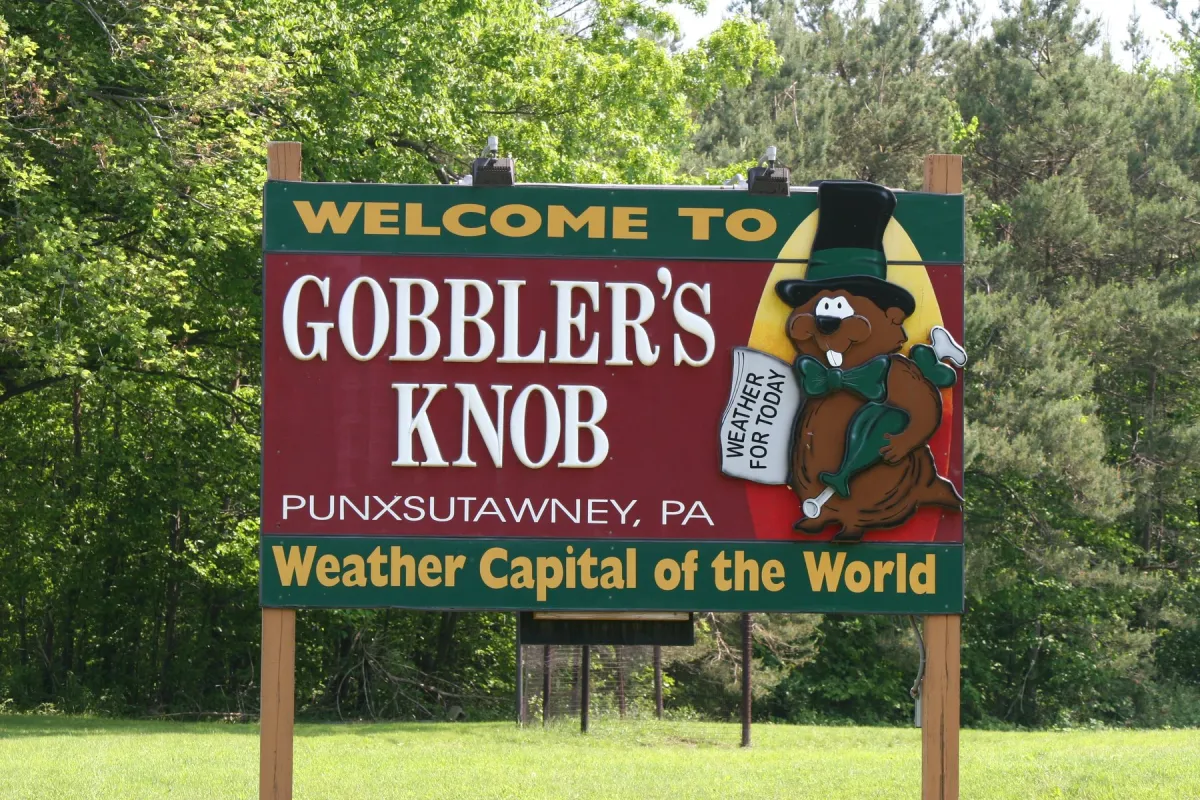 Photo: Gobbler's Knob, via dynamic-media-cdn.tripadvisor.com
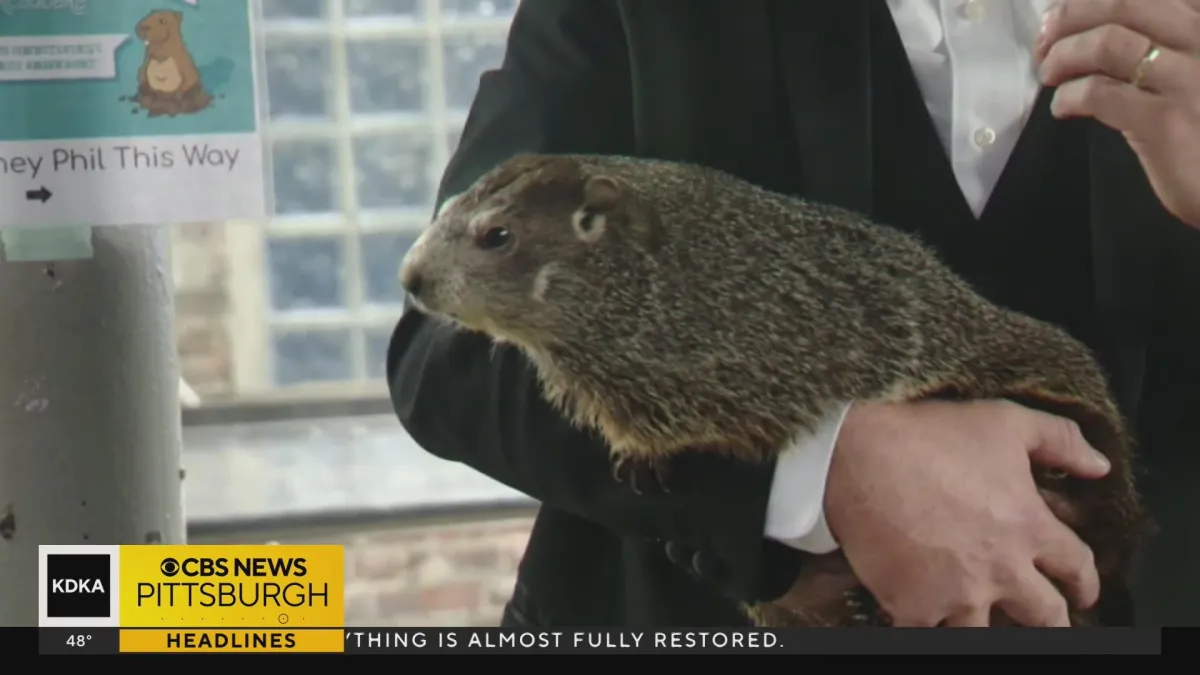 Photo: Punxsutawney Phil, via assets1.cbsnewsstatic.com
 Photo: Punxsutawney, Pennsylvania, via pabucketlist.com
Six weeks later, Ohio was buried under three feet of snow from the worst March blizzard in state history. And in Butler County, prosecutor Mike Gmoser had finally had enough of what he called "fraudulent weather forecasting."
The Indictment Heard 'Round the World
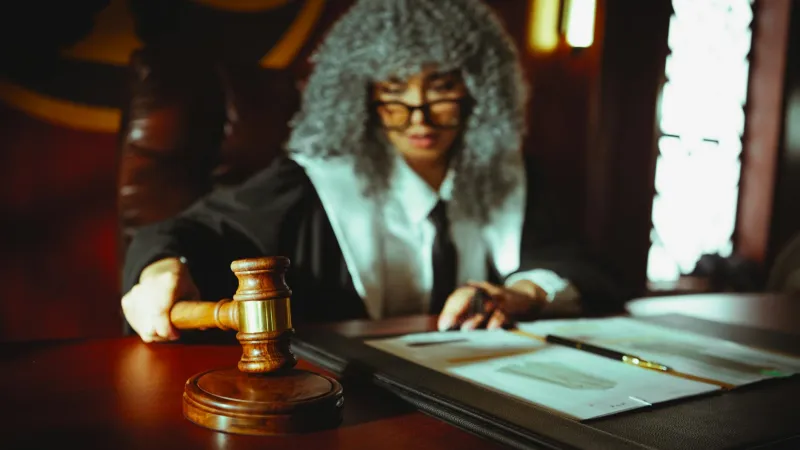
On March 18, 2013, Gmoser filed formal criminal charges against Punxsutawney Phil in Butler County Municipal Court. The indictment accused the groundhog of "misrepresentation of early spring, a felony against the peace and dignity of the state of Ohio." The prosecutor demanded Phil face trial and serve an appropriate sentence for his meteorological malpractice.
"This is a serious matter," Gmoser announced to bewildered reporters. "Phil's prediction caused people to put away their winter coats too early. Someone could have gotten frostbite because of this groundhog's negligence."
The charges carried a maximum penalty of death—standard for Ohio's pest control laws. Gmoser generously offered to reduce the sentence to three years if Phil agreed to a plea bargain and "immediate relocation to a nice farm somewhere warmer."
America's Strangest Legal Tradition
What seemed like a publicity stunt actually highlighted America's bizarre history of formally prosecuting animals. Colonial courts regularly tried livestock for property damage, and as late as the 1920s, Tennessee famously put an elephant named Mary on trial for murder after she killed her trainer.
The legal framework exists because American law inherited English common law traditions dating back to medieval times, when animals were considered moral agents capable of criminal intent. Though rarely invoked, these statutes technically remain on the books in most states.
"Legally speaking, there's precedent for this," explained legal historian Professor Janet Morrison. "The question isn't whether you can prosecute an animal—it's whether anyone's crazy enough to actually try."
Phil's Defense Team Mobilizes
Punxsutawney's Inner Circle, the organization that manages Phil's public appearances, immediately hired attorney Bill Deeley to represent their furry client. Deeley argued that Phil enjoyed diplomatic immunity as Pennsylvania's official weather prognosticator and couldn't be extradited to Ohio.
"My client is a Pennsylvania resident who was conducting official state business on Pennsylvania soil," Deeley declared. "Ohio has no jurisdiction over a groundhog performing his constitutionally protected duties."
The defense also questioned Phil's mental competency to stand trial, noting that groundhogs lack the cognitive ability to understand legal proceedings or assist in their own defense. They demanded a court-appointed veterinary psychiatrist evaluate Phil's fitness for trial.
Media Circus Meets Legal Reality
News of Phil's indictment spread globally, turning Butler County's courthouse into an unlikely media circus. Late-night talk show hosts made endless jokes about "America's most wanted rodent," while animal rights activists protested outside the courthouse demanding Phil's immediate release.
But behind the comedy, legal scholars recognized something genuinely significant happening. The case forced courts to grapple with questions about ceremonial traditions, legal standing, and the boundaries of prosecutorial discretion in the modern era.
"This might be funny, but it's also a constitutional crisis waiting to happen," warned Ohio State law professor Dr. Rebecca Chen. "If we can prosecute groundhogs for weather predictions, what's next? Suing Santa Claus for trespassing?"
The Verdict That Never Came
As spring finally arrived in Ohio, public pressure mounted for Gmoser to drop the charges. Editorial boards across the country condemned the prosecution as a waste of taxpayer money, while Pennsylvania's governor threatened to file interstate commerce complaints if Ohio continued harassing the state's official groundhog.
On April 1, 2013—perhaps appropriately—Gmoser announced he was dismissing all charges against Phil "in the interest of interstate harmony." The prosecutor claimed Phil had served enough time in the court of public opinion and deserved a chance at rehabilitation.
"Phil has learned his lesson," Gmoser declared with a straight face. "I'm confident he'll be more accurate with his predictions going forward."
The Lasting Impact
Phil's legal troubles sparked serious discussions about the role of tradition in modern American life. Several states quietly removed animal prosecution statutes from their books, while others clarified that ceremonial animals enjoy special protections from frivolous lawsuits.
The case also established an unlikely precedent: in 2016, when a California prosecutor jokingly threatened to sue the Easter Bunny for trademark infringement, colleagues immediately reminded him about "the Phil situation" and the charges were quickly dropped.
Phil's Retirement
Punxsutawney Phil continues his weather forecasting duties, though he now works under a carefully negotiated legal agreement that includes liability waivers and disclaimers about the entertainment nature of his predictions. His accuracy rate remains unchanged at roughly 50 percent—about the same as flipping a coin.
Mike Gmoser served as Butler County prosecutor until 2020, when he was defeated by a candidate who promised never to prosecute rodents. He remains proud of the Phil case, calling it "the most media attention Butler County ever received for anything."
Every February 2nd, as Phil emerges from his burrow to face thousands of expectant faces, legal observers wonder if this will be the year another frustrated prosecutor decides to take on America's most famous groundhog. So far, Phil's record remains clean—though his weather predictions are still questionable at best.